


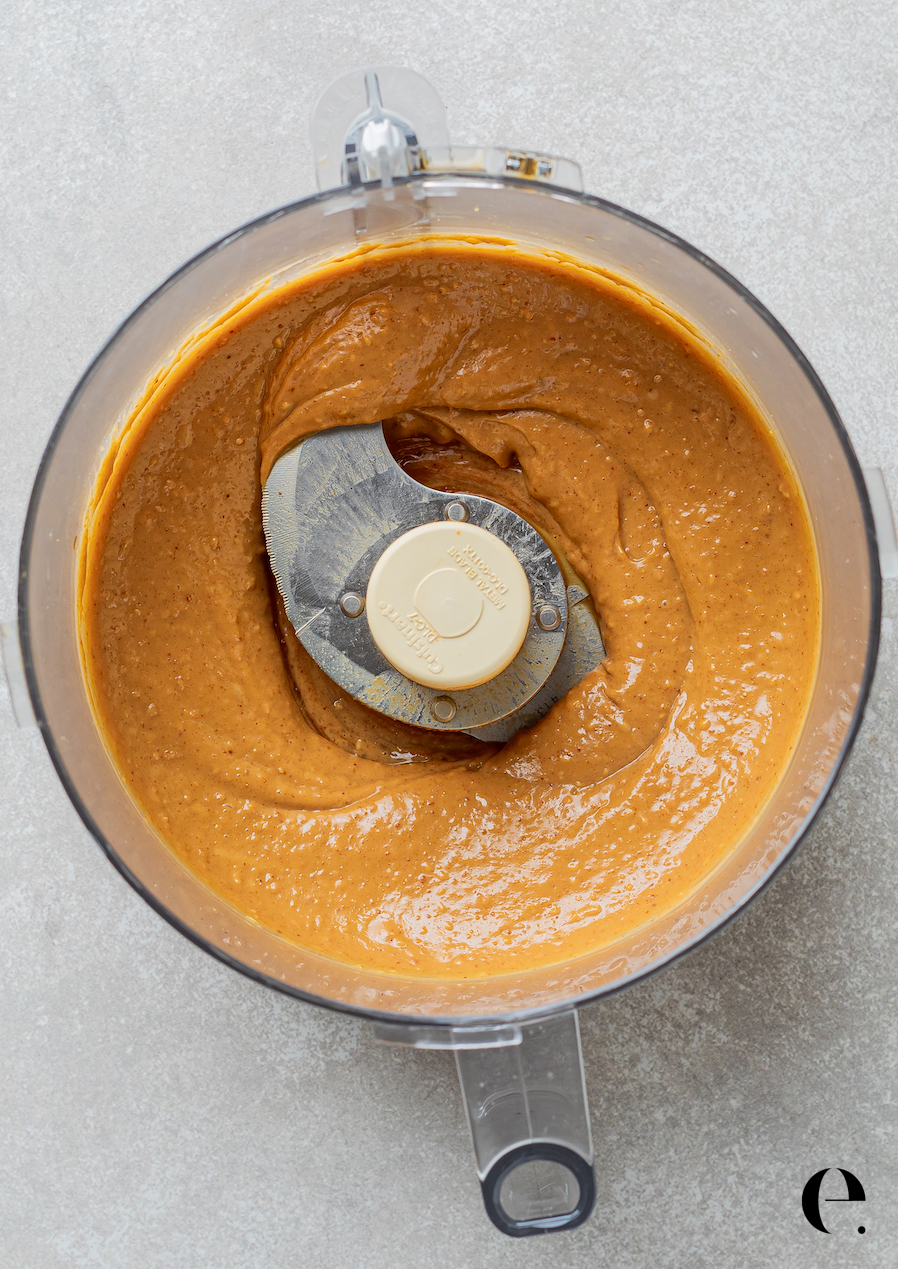
This easy Thai peanut sauce recipe is a creamy, savory peanut sauce you can make in 5 minutes with simple pantry ingredients.
I consider this a top sauce to master for home cooking. Peanut sauce instantly upgrades noodles, grain bowls, vegetables, chicken, shrimp, tofu, and more.
If you love restaurant-style peanut sauce, peanut noodles, or satay dipping sauce, this homemade version is one of the best recipes to keep on hand, and it’s WAY better than store-bought.
It’s fresh, flavorful, customizable, and made with ingredients you can feel good about.
Why You’ll Love Homemade Thai Peanut Sauce
- It comes together in minutes and tastes better than most bottled sauces.
- The flavor is rich, creamy, tangy, and balanced.
- It’s naturally dairy-free and easy to make gluten-free.
- You can make it spicy, sweeter, thinner, or thicker depending on how you plan to use it.
- It works as a sauce, dressing, dip, or marinade.
- It stores beautifully for meal prep and leftovers.
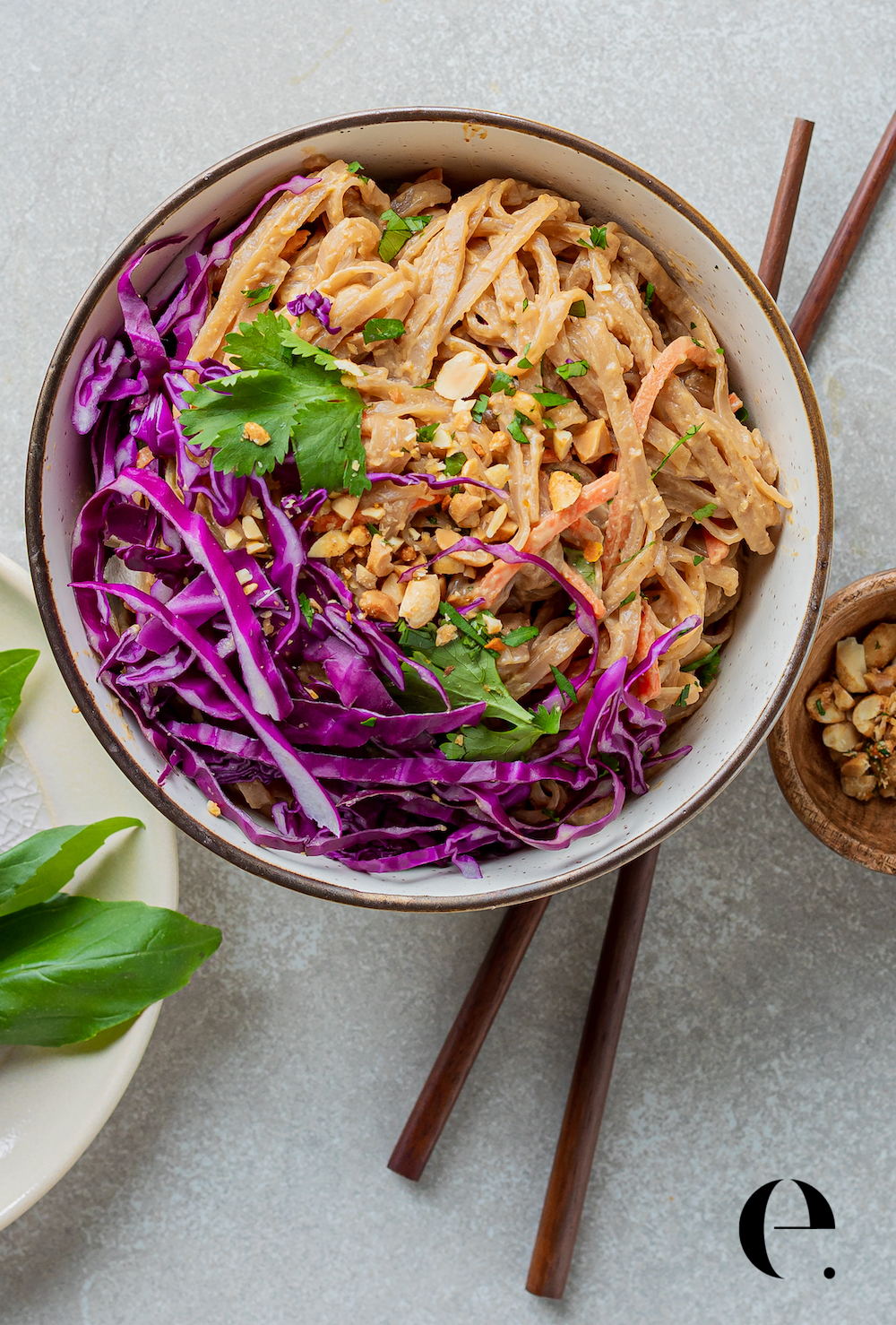
A Quick Note on Thai Peanut Sauce
Peanut sauces are popular across Southeast Asia, with many beloved versions found in Thai, Indonesian, Malaysian, and other regional cuisines. This recipe is a practical, Thai-inspired homemade peanut sauce made with easy-to-find grocery store ingredients.
This is definitely not the only traditional version. This recipe is simply a delicious, everyday version you can make quickly at home. Think of it as a flexible, reliable sauce that adds instant flavor to simple meals.
What Is Thai Peanut Sauce Made Of?
Most peanut sauces balance a few key flavors: savory, sweet, tangy, and rich nuttiness.
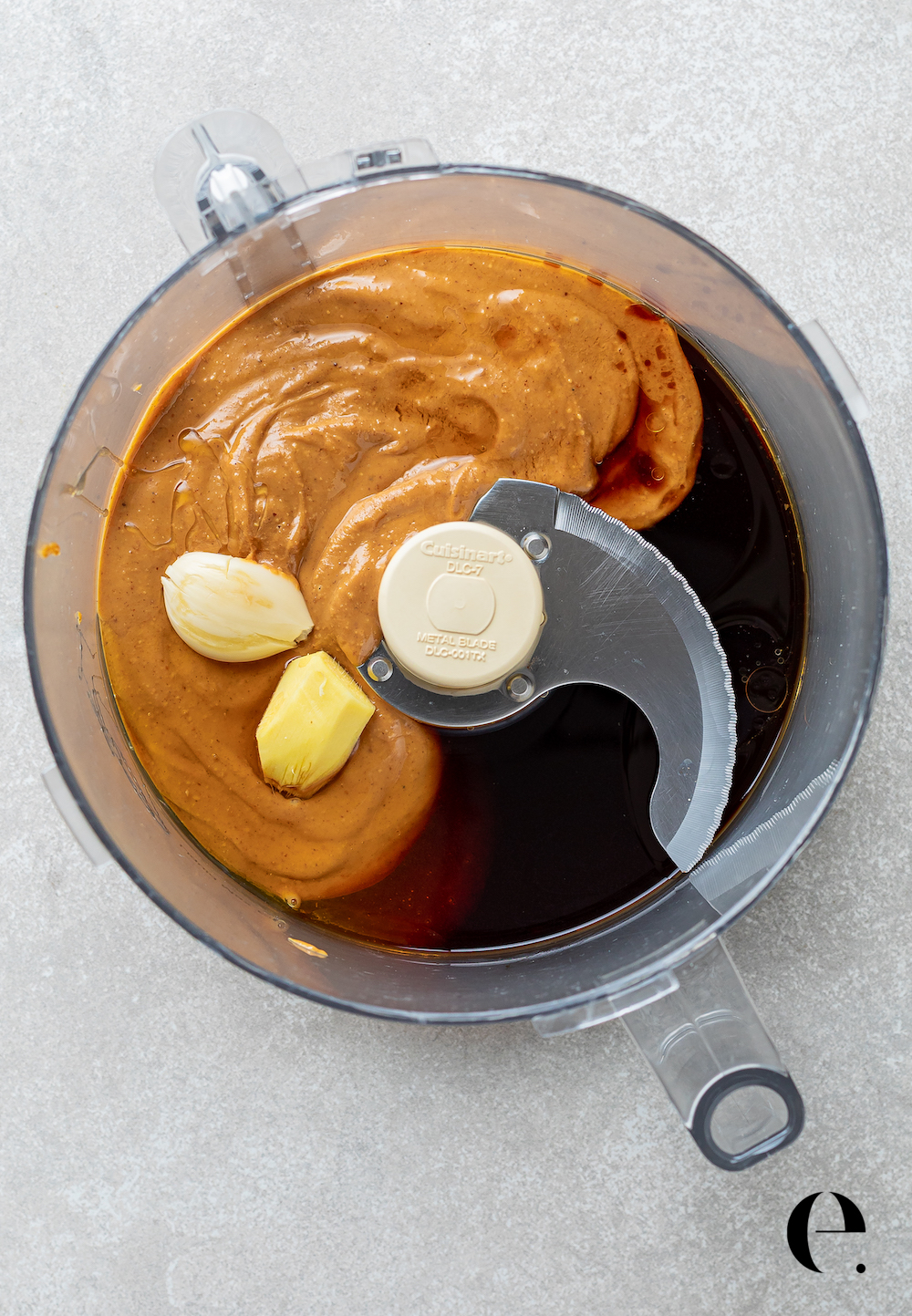
This version uses peanut butter, soy sauce or tamari, fresh lime juice, garlic, ginger, toasted sesame oil, and water. You can also add a little sweetener, spice, or rice vinegar depending on your taste.
Many home cooks make this sauce slightly differently each time, and that’s part of what makes it so useful.
Homemade Peanut Sauce Ingredients
See the printable recipe card below for full details.
To make homemade peanut sauce, you’ll need:
- 1/2 cup unsweetened peanut butter
- 2 tablespoons tamari or slow-sodium soy sauce
- 1 to 2 tablespoons fresh lime juice
- 1 small garlic clove (always use fresh garlic)
- 1 teaspoon fresh ginger
- 1 teaspoon toasted sesame oil
- 2 to 6 tablespoons warm water
- 1 to 2 teaspoons maple syrup, honey, or brown sugar (optional but recommended)
- 1 to 2 teaspoons rice vinegar (optional, use if you don’t have lime juice)
- Optional for heat: Sriracha, chili garlic sauce, or red pepper flakes to taste
Some Thai peanut sauce recipes use coconut milk. You can definitely add it, but I find the sauce is super creamy without it, and it’s one less ingredient to use.
Additionally, some people like to add a splash of rice vinegar for extra brightness and tang. It’s not required, and many versions rely on lime juice instead. My take: use fresh lime juice first, then add 1 to 2 teaspoons rice vinegar if you’d like a sharper, more balanced finish. If you love bold flavor, using both can be delicious.
How to Make Thai Peanut Sauce
This sauce is incredibly flexible and easy to make. You can use a blender, food processor, or simply whisk it together by hand. See the full printable recipe card below.
- If using a blender or food processor, add all ingredients except the water and blend until smooth. Add warm water a little at a time until it reaches your desired consistency.
- If making it by hand, finely grate the garlic and ginger first, then whisk everything together in a bowl until smooth and creamy.
- Taste and adjust as you go. Add more lime for brightness, sweetener for balance, or chili for heat.
- See the printable recipe card below for full details.
I’ve made versions of this sauce many different ways over the years for my Easy Thai Peanut Noodles, Thai Peanut Superfood Slaw, and Peanut Chicken & Rice Bowls. That’s part of the beauty of it—you can adapt it based on what you have on hand.
Print
Easy Thai Peanut Sauce
Description
This easy Thai Peanut Sauce recipe is creamy, savory, slightly sweet, and packed with bold flavor. It comes together in about 5 minutes with pantry staples and works beautifully on noodles, grain bowls, vegetables, chicken, shrimp, tofu, and more.
Ingredients
- 1/2 cup unsweetened peanut butter
- 2 tablespoons tamari or slow-sodium soy sauce
- 1 to 2 tablespoons fresh lime juice
- 1 small garlic clove (always use fresh garlic)
- 1 teaspoon fresh ginger
- 1 teaspoon toasted sesame oil
- 2 to 6 tablespoons warm water
- 1 to 2 teaspoons maple syrup, honey, or brown sugar (optional)
- 1 to 2 teaspoons rice vinegar (optional, use if you don’t have lime juice)
- Optional for heat: Sriracha, chili garlic sauce, or red pepper flakes to taste
Instructions
- Add the peanut butter, tamari or soy sauce, lime juice, garlic, ginger, sesame oil, and optional sweetener to a blender or food processor.
- Blend until smooth and creamy. If you don’t have a blender, whisk over very low heat in a pan on the stove.
- Add warm water, 1 tablespoon at a time, until the sauce reaches your desired consistency. Taste and adjust as needed. Add more lime juice for brightness, sweetener for balance, or chili sauce for heat.
- Serve immediately or store in an airtight container in the refrigerator for up to 1 week.
Notes
Use less water for a thick dip and more water for a thinner dressing or drizzle.
The sauce thickens in the refrigerator. Stir in a splash of warm water before serving again.
For gluten-free peanut sauce, use tamari or certified gluten-free soy sauce.
Almond butter, cashew butter, or sunflower seed butter all work well as substitutes.
Delicious with noodles, grain bowls, spring rolls, chicken, shrimp, tofu, roasted vegetables, or salads.
Peanut Sauce Thickness Guide
- Use less water for a dip and more water for a dressing or drizzle. In general:
- 2 tablespoons of water create a thick dipping sauce.
- 4 tablespoons of water is great for noodles.
- 5 to 6 tablespoons of water make a thinner dressing for salads, slaw, or bowls.
- The sauce will thicken in the refrigerator, so just stir in a splash of warm water before serving again.
Easy Ways to Use Thai Peanut Sauce
This sauce works on almost anything.
- Toss with my Healthy Thai Peanut Noodles
- Drizzle over Thai Peanut Superfood Slaw
- Spoon over grain bowls
- Serve with chicken or shrimp
- Toss with tofu or tempeh
- Use as a dip for fresh spring rolls or veggies
- Add to stir fry vegetables or Chicken Stir Fry
- Drizzle over roasted broccoli or cauliflower
- Use as a salad dressing
Choosing the Peanut Butter
Peanut butter is the star ingredient, so quality matters. Creamy peanut butter works best. Look for unsweetened peanut butter with no added oils or sugar if possible. Ideally, the ingredient list should simply be peanuts.
I think natural peanut butter gives the cleanest flavor and best nutty taste. If using refrigerated peanut butter, let it soften slightly first for easier blending.
Easy Substitutions
No peanut butter? No problem.
- Almond butter works well for a slightly different flavor.
- Cashew butter makes an extra creamy sauce.
- Sunflower seed butter is a great nut-free option.
- Tahini creates a different flavor profile but works in a pinch.
- No soy sauce? Use tamari for gluten-free or coconut aminos for soy-free.
- Acid: I like fresh lime juice for acidic balance in Thai peanut sauce, but you don’t have fresh lime juice a splash of rice wine vinegar works well, too.
Make-Ahead and Storage
- Store in an airtight container in the refrigerator for up to 1 week.
- The sauce naturally thickens as it chills, so stir in warm water before serving to loosen it.
- You can also freeze small portions for later.
- This is a great meal prep recipe to keep in the fridge for quick lunches and dinners.
Frequently Asked Questions
Is Thai peanut sauce healthy?
It can be. This homemade version lets you control sugar, sodium, and oils while using simple ingredients.
Is Thai peanut sauce gluten-free?
Use tamari or certified gluten-free soy sauce.
Can I make Thai peanut sauce without peanut butter?
Yes. Almond butter, cashew butter, or sunflower seed butter all work well.
What does Thai peanut sauce taste like?
Creamy, nutty, savory, slightly sweet, tangy, and optionally spicy.
Why is my peanut sauce too thick?
Peanut butter brands vary. Just whisk in warm water one tablespoon at a time until smooth.
A Better Homemade Sauce
Making sauces like this at home is one of the easiest ways to make simple meals taste special. Instead of buying bottled sauces with extra sugar or preservatives, you can make your own in minutes and customize it exactly how you like it.
Once you start making homemade Thai peanut sauce, you may never go back.
Related Recipes
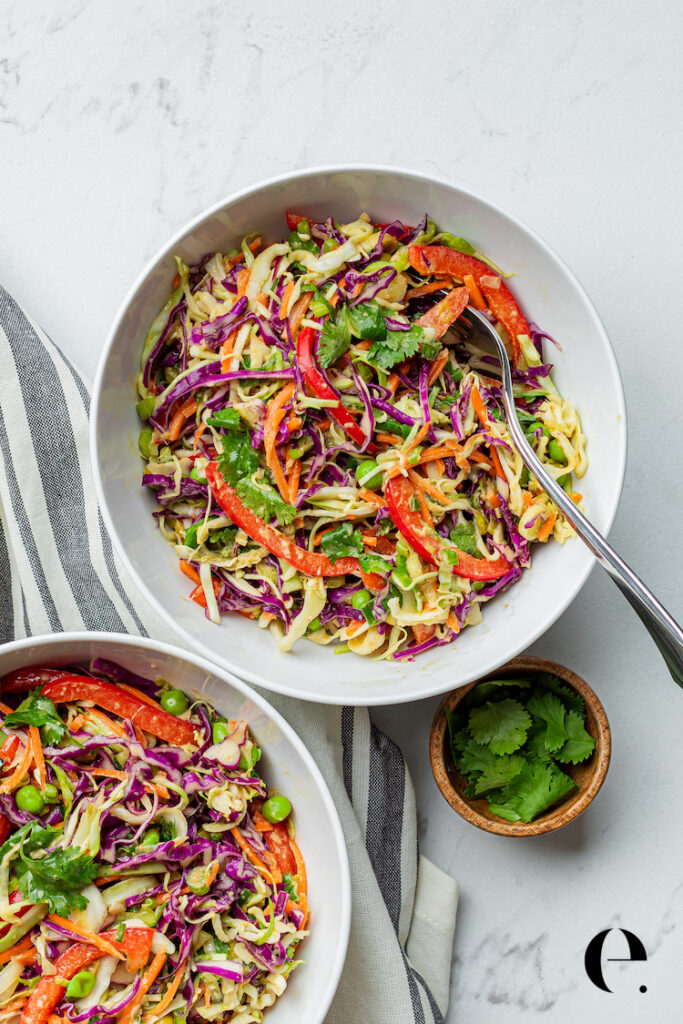
Thai Peanut Slaw Recipe
This Thai-Inspired Peanut Superfood Slaw Recipe is a long-time reader favorite. It’s bursting with flavor and packed with nutrition. Use it as a light lunch, a side dish, or add your favorite protein of choice to turn it into a meal. We occasionally add shredded chicken or shelled edamame. If you love this recipe, please leave a star rating in the comments below to help other readers in our community.
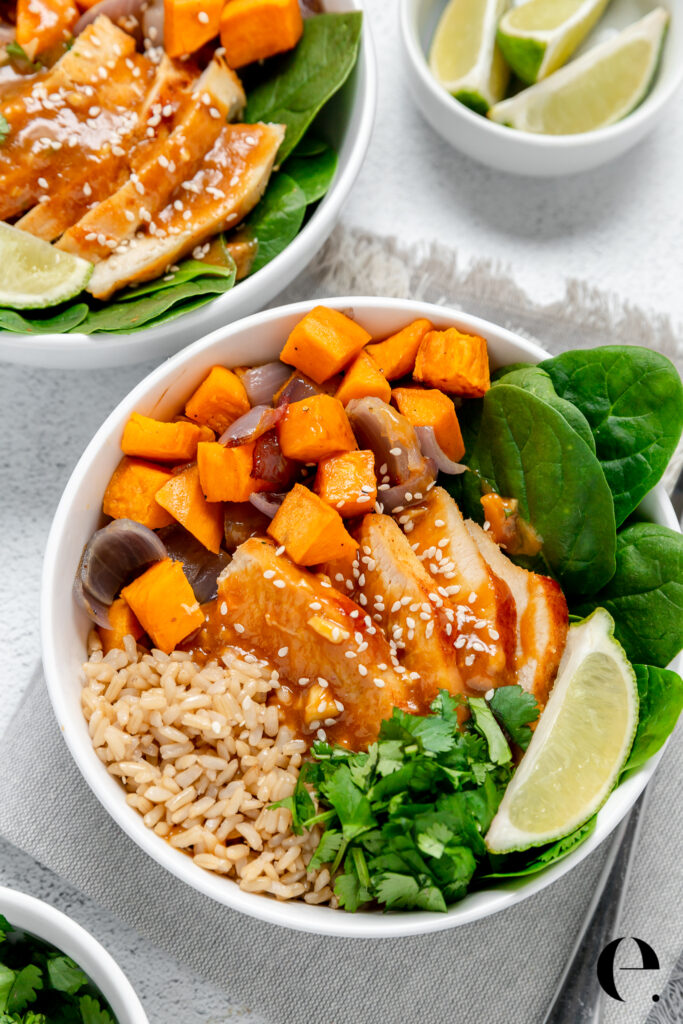
Peanut Chicken Rice Bowls with Roasted Sweet Potatoes
These Peanut Chicken Rice Bowls have tender roasted sweet potatoes and savory chicken that are layered over brown rice and finished with a creamy lime-peanut sauce. A balanced, flavor-packed bowl that’s perfect for weeknights or meal prep.
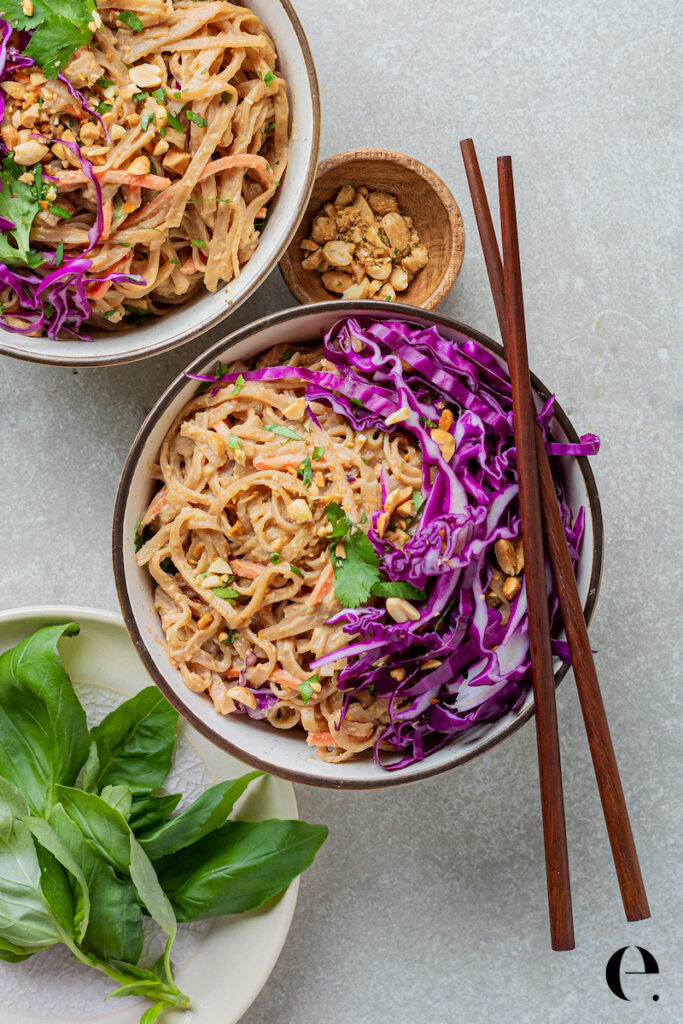
Easy Thai Peanut Noodles
These Healthy & Easy Thai Peanut Noodles are creamy, savory, and packed with flavor while still being simple enough for a busy weeknight. Made with a quick homemade peanut sauce and your favorite noodles, this easy recipe comes together in about 30 minutes and works well served warm or cold. Naturally gluten-free and dairy-free with easy vegan options, it’s a satisfying meal you’ll want to make again and again.











28