


Learning how to cook white rice perfectly every time, whether in a rice cooker or on the stovetop, is key to meal prep (make life easier!) and healthy eating.
On the stovetop, I use 1 cup of rinsed white rice to 1 ¾ cups of water. Bring it to a boil, turn the heat to low, cover the pot, and simmer for 15 minutes without lifting the lid. Then take it off the heat and let it sit, still covered, for 5 more minutes before you fluff it. One cup of dry rice makes about 4 servings.
Just like perfectly cooked brown rice, white rice is one of the most underrated pantry staples; it’s affordable, easy to cook, and quietly does a lot of heavy lifting in healthy, realistic meal planning.
If you know how to cook it well, you suddenly have the base for dozens of fast meals, from burrito bowls to stir-fries, to beef with broccoli, to soups or fried rice.
If I can give any pro tip for cooking rice, it’s to ALWAYS wash rice before cooking for the best flavor and texture. Put it in a strainer and rinse it under room temperature or cool water for about 60 seconds. It dramatically improves the flavor and texture. The only exception is if the recipe calls for toasting the rice. In that case, it needs to be dry, so don’t rinse it.
How to Cook White Rice
Ingredients
- 1 cup white rice (long-grain, jasmine, or basmati)
- 1 ¾ cups water
- ½ teaspoon salt (optional)
Important: Always follow your rice cooker’s instructions and use the measuring cup that comes with it. Rice cookers use a specific cup size and ratio, so your results depend on using the correct one.
Rice Cooker Method (My Preferred Way)
- Rinse the rice in a fine-mesh strainer until the water runs mostly clear, about 60 seconds.
- Add rice, water, and salt to your rice cooker.
- Close the lid and press Cook.
- When it switches to Warm, let the rice sit for 5 minutes.
- Fluff with a fork and serve.
Stovetop Method
- Rinse the rice in a fine-mesh strainer until the water runs mostly clear, about 60 seconds.
- Add rice, water, and salt to a small pot.
- Bring to a boil, then reduce to low and cover.
- Simmer for 15 minutes without lifting the lid.
- Remove from heat and let sit, covered, for 5 minutes.
- Fluff with a fork.
My Rice Cooker Recommendation
I don’t love filling my kitchen with gadgets, but this is one place where it’s worth investing in quality.
I’ve used my Zojirushi rice cooker for over 10 years and it still performs better than every other rice cooker I’ve tried. It cooks rice evenly, never burns the bottom, keeps rice warm for hours without drying it out, and honestly just works every single time. It will probably last another 20 years! It’s just like the day I bought it. This is the one I use.

A rice cooker is a true time saver and a real workhorse in the kitchen. If you make rice even semi-regularly, it’s worth it.
Is White Rice Healthy?
Yes, white rice can absolutely be part of a healthy diet in moderation. Here’s why:
- Serving Size Matters: The real issue isn’t white rice itself. It’s eating 3-4 servings in one sitting without much fiber, protein, or fat alongside it.
- Athletes Prefer It: Athletes often choose white rice because it’s easy to digest, gives quick energy, and is gentle on the stomach, especially before or after training.
- Combine with Protein & Fiber: For everyday meals, the sweet spot is pairing it with protein (chicken, fish, eggs, beans, tofu), fiber-rich veggies, and healthy fats like olive oil, avocado, or nuts. Combining white rice with protein, fiber, and a little healthy fat helps keep your blood sugar steadier and makes your meal far more satisfying.
- Resistant Starch: When cooked rice is cooled, a portion of its starch turns into resistant starch. Resistant starch isn’t digested the same way. It acts more like fiber and can support better blood sugar control and gut health. That means leftover, cooled rice (when reheated properly) may actually be a little easier on blood sugar than freshly cooked rice.
Types of White Rice
Not all white rice cooks or eats the same. Here’s how the main types differ:
- Long-grain: Light, fluffy, and separate. Best for everyday meals, stir-fries, and rice bowls.
- Short-grain: Softer and slightly sticky. Great for sushi bowls, rice pudding, or when you want a creamier texture.
- Medium-grain: In between long and short grain. A little tender, a little fluffy, and very versatile.
- Basmati: Long, slender grains with a light, fragrant aroma. Perfect for Indian, Middle Eastern, or Mediterranean dishes.
- Jasmine: Soft, slightly sticky, and aromatic. Excellent for Thai and Southeast Asian meals.
All of these work with the same basic cooking method. Just follow your rice cooker’s instructions and use the cup it comes with for best results.
How to Use White Rice
Think of rice as a base, not the meal.
- Add rotisserie chicken, frozen veggies, and bottled teriyaki or soy sauce.
- Mix it with beans, scrambled eggs, and spices for a quick gallo pinto.
- Build burrito bowls, black bean bowls, or add to salads.
- Stir into broth with leftover meat and vegetables for quick rice soup.
- Scramble with eggs and frozen peas for a fast “fried rice” that’s also a budget-friendly dinner.

Storage & Food Safety
Rice is one food you want to handle correctly.
- Cool cooked rice quickly and refrigerate within 1 hour.
- Store in airtight containers for up to 4 days.
- Reheat until steaming hot.
- Do not reheat rice more than once.
Cooked rice is one of the few foods that can become unsafe even after it’s been cooked. Rice can contain spores of a type of bacteria called Bacillus cereus. These spores survive cooking and, if rice is left out at room temperature too long, they can grow and produce toxins that aren’t destroyed by reheating.
Cooling rice quickly and refrigerating it within one hour slows this growth. Storing it no longer than four days limits the chance of bacteria multiplying to unsafe levels. Reheating rice until it is steaming hot helps kill any bacteria that may have developed, but reheating more than once increases the risk because it gives the bacteria more time to grow between temperature changes.
White Rice FAQs
What is the water to rice ratio for white rice?
For the stovetop, it’s 1 ¾ cups of water for every 1 cup of white rice. In a rice cooker, go by the lines in the bowl and the little cup that came with the machine, since every brand measures a bit differently.
How long do you cook white rice on the stove?
Simmer it on low, covered, for 15 minutes, then let it rest off the heat (lid still on) for 5 minutes. That resting time finishes the steaming, so don’t skip it.
Can you make white rice in an Instant Pot?
It works really well. Add the rinsed rice, water and salt, seal the lid and pressure cook on high for 4 minutes. Let the pressure release naturally for 10 minutes, quick-release the rest, then fluff with a fork.
Why should you rinse white rice?
Rinsing washes away the loose starch on the outside of the grains. That starch is what turns rice gummy and clumpy, so a quick 60-second rinse gives you fluffier, more separate grains.
How can I make white rice taste better?
Start with the salt in the recipe, then have fun with it. Cook the rice in broth instead of water, or stir in fresh herbs and lemon once it’s done. My Herb Lemon Rice and Cilantro Lime Rice both start with a pot of plain rice.
PrintLove this recipe? Don’t lose it.
Save it (and every recipe you love, from any website) in Butler, my recipe & meal planning app. Start with my free 5-minute system for planning a week of meals.
You’re in! Check your inbox for my 5-minute system.
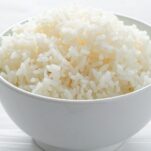
Perfect White Rice
- Prep Time: 5 minutes
- Cook Time: 20 minutes
- Total Time: 25 minutes
- Yield: 4
Description
This simple white rice recipe is one of those kitchen basics that makes everything else easier. Don’t skip rinsing. It’s the key to the best texture and flavor, and it gives you a reliable base for fast, affordable, and satisfying meals. Note that 1 cup of dry rice makes about 4 cooked servings.
Ingredients
- 1 cup white rice (long-grain, jasmine, or basmati)
- 1 3/4 cups water
- 1/2 teaspoon salt (optional)
Instructions
Rice Cooker Method (Recommended)
- Rinse the rice in a fine-mesh strainer until the water runs mostly clear, about 60 seconds.
- Add rice, water, and salt to your rice cooker. Close the lid and press Cook. (Follow your rice cooker’s instructions and use the cup it comes with, since each machine is a little different.)
- When it switches to Warm, let sit 5 minutes (up to 2 hours), then fluff with a fork.
- Cool rice and refrigerate within 1 hour. Store up to 4 days. Reheat until steaming hot and do not reheat more than once.
Stovetop Method
- Rinse the rice in a fine-mesh strainer until the water runs mostly clear, about 60 seconds.
- Add rice, water, and salt to a small pot. Bring to a boil, then reduce to low and cover.
- Simmer 15 minutes. Remove from heat, rest 5 minutes, then fluff and serve.
- Cool rice and refrigerate within 1 hour. Store up to 4 days. Reheat until steaming hot and do not reheat more than once.
Instant Pot White Rice
- Rinse the rice in a fine-mesh strainer under cool water for about 60 seconds.
- Add rice, water, and salt to the Instant Pot. Seal the lid and set to Pressure Cook – High – 4 minutes.
- Let pressure release naturally for 10 minutes, then quick-release the rest.
- Fluff with a fork and serve.
Notes
Use long-grain rice for fluffy everyday bowls, short-grain when you want a softer or slightly sticky texture, and basmati or jasmine for their light, fragrant flavor.
Brown rice cooks very differently and always needs more water and time, so don’t substitute it without adjusting the recipe.
Cool leftovers quickly, refrigerate within one hour, keep for up to four days, and only reheat once until steaming hot.
Long-grain rice cooks up fluffy and separate, short-grain is softer and slightly sticky, medium-grain lands in between, basmati is light and fragrant, and jasmine is tender with a subtle aroma.












Leave A Review + Read The Comments →