


What if I told you there’s a special kind of starch that actually improves digestion, prevents certain diseases, and promotes healthy weight loss? And, it’s found in foods you may already love.
There is! It’s called resistant starch.
If you’ve ever heard the term resistant starch and wondered what it means, you’re not alone. This unique type of carbohydrate is having a moment in nutrition research, and for good reason. Unlike most starches, resistant starch “resists” digestion in the small intestine. Instead, it travels to the large intestine where it acts more like fiber, feeding the good bacteria in your gut.
The result? A surprising number of health benefits, from better digestion to steadier energy. And the best part — it’s easy to get resistant starch from everyday foods you already know and love.
What Is Resistant Starch?
Most starches are broken down quickly into glucose (sugar) in the small intestine, which then raises your blood sugar. Resistant starch works differently. Because it passes through the small intestine intact, it’s digested more slowly, leading to:
- Slower carb absorption and more stable blood sugar
- Less insulin spiking after meals
- Fermentation in the large intestine that produces short-chain fatty acids (especially butyrate), which support gut and colon health
Think of it as a “smarter carb” — still giving you energy, but in a more gradual, balanced way.
Unlike highly refined starches that cause blood sugar spikes, these types of starches pass through your digestive system unchanged. It can be incredibly beneficial for your health because it functions similarly to soluble fiber.
Resistant Starch Foods: List of Top Sources
Here are some of the best whole-food sources of resistant starch you can easily add to your diet:
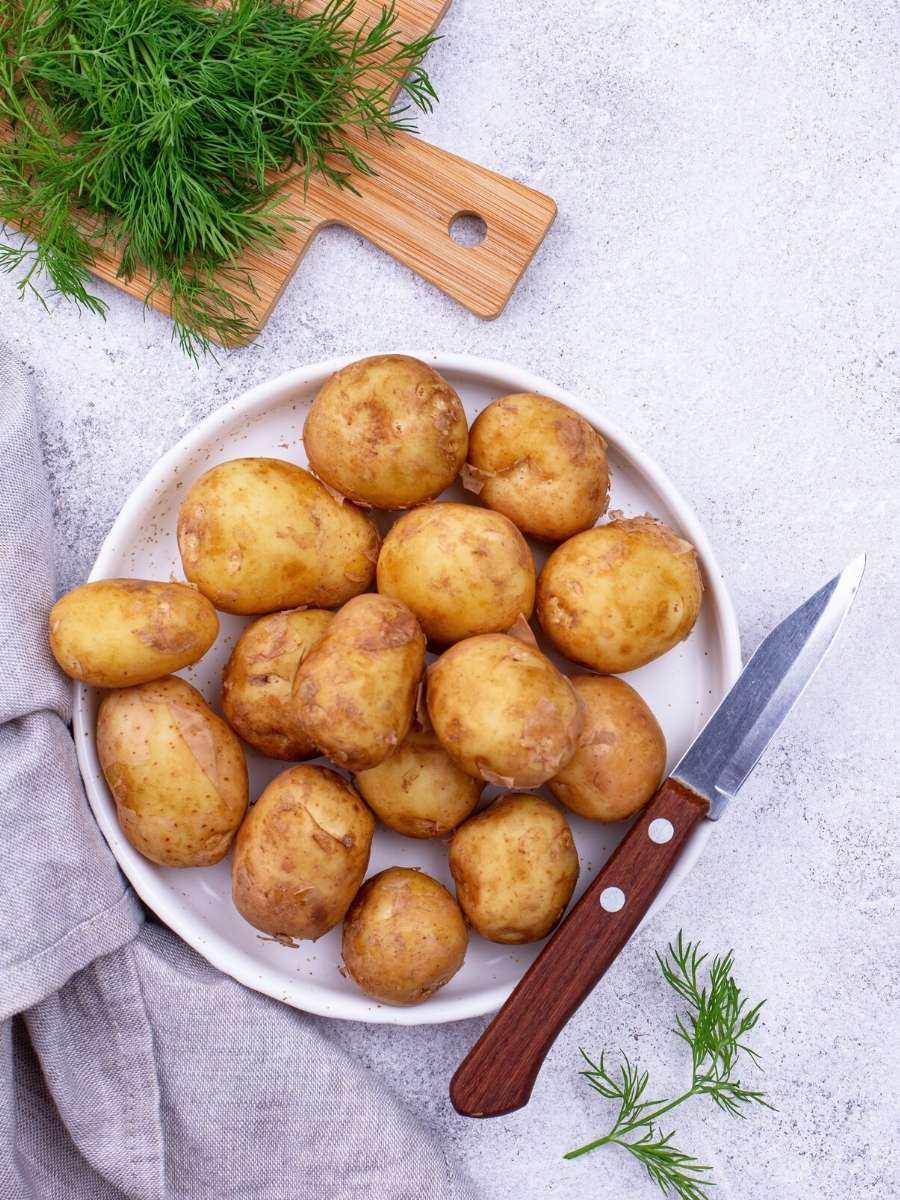
- Cooked and cooled potatoes – Baked or boiled, then cooled in the fridge (hello, potato salad).
- Cooked and cooled rice – Especially white rice that’s been chilled and later reheated.
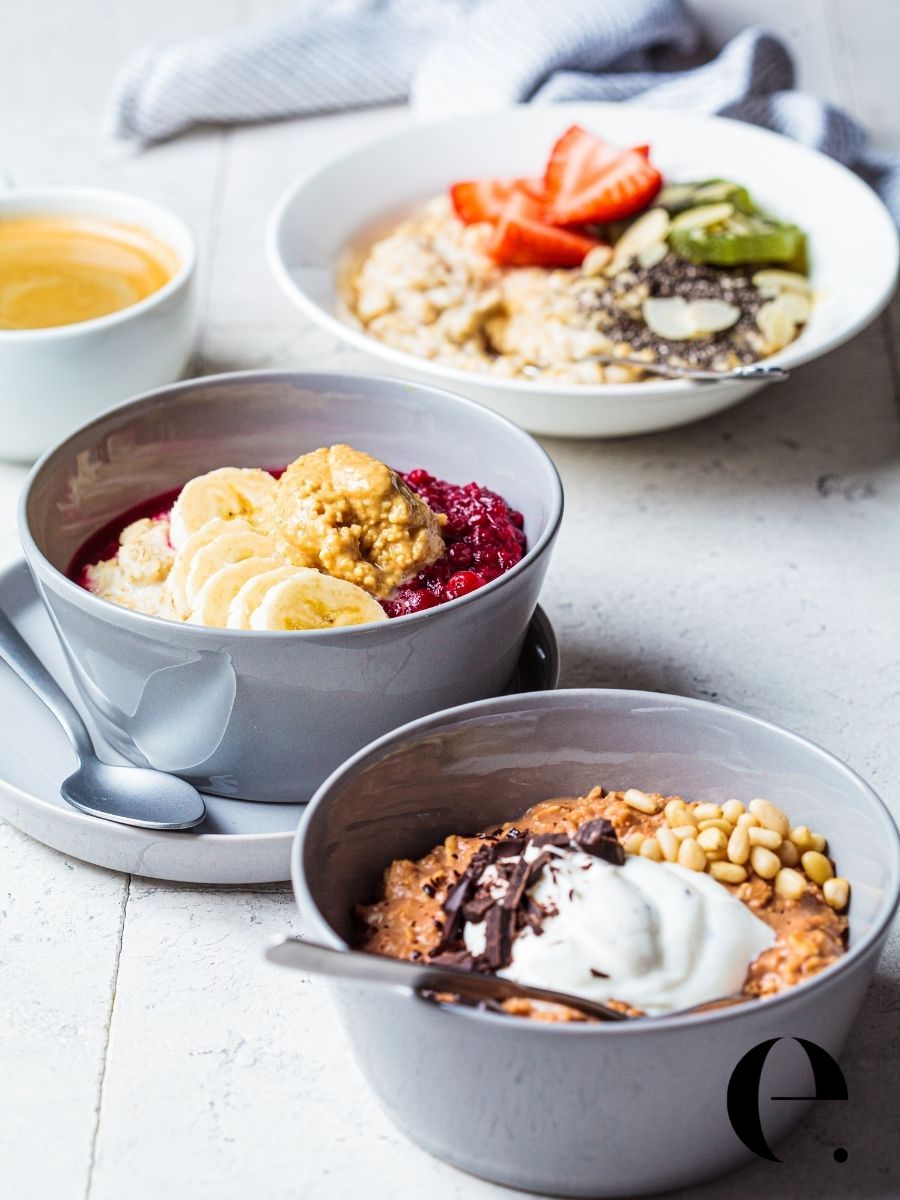
- Raw oats – Think overnight oats made with rolled oats, which keep more resistant starch intact.
- Legumes – Lentils, black beans, chickpeas, and other beans are naturally rich sources.
- Green bananas and plantains – The less ripe they are, the more resistant starch they contain.
- Barley and other whole grains – Intact, less processed grains often have higher resistant starch.
- Pasta cooked al dente – Slightly firm pasta has more resistant starch than overcooked.
Pro tip: Cooling and reheating these foods actually increases resistant starch, thanks to a process called retrogradation. For example, cold rice in a salad or leftover potatoes from last night’s dinner have more resistant starch than the same food eaten hot and fresh.

Health Benefits of Resistant Starch
Adding more resistant starch foods to your meals may support:
- Gut health & digestion – Feeds beneficial bacteria and increases butyrate, a short-chain fatty acid linked to colon health.
- Blood sugar control – Slows the release of glucose into the bloodstream, helping with energy and insulin response.
- Weight management – Promotes fullness and may increase fat burning after meals.
- Heart health – Improved insulin sensitivity can support healthy blood lipid levels.
- Mineral absorption – May help your body absorb more calcium and magnesium. fullness, which consequently aids in weight loss. They are also great for metabolic health.
Four Types of Resistant Starch
For those of us that like to know more about the science, nutrition science breaks resistant starch into categories (RS1–RS4):
- RS1 – Found in seeds, legumes, and whole grains where starch is physically trapped in fiber. No cooking/cooling required (e.g., beans, lentils).
- RS2 – Found in raw foods where starch is naturally resistant (e.g., green bananas, raw oats, raw potatoes). Again, no cooking/cooling required — though raw potatoes aren’t typically eaten.
- RS3 – The “retrograded” kind that forms when certain starches are cooked, then cooled. This is what happens with potatoes, rice, pasta, etc. Cooling changes their structure and increases resistant starch.
- RS4 – Chemically modified starches (not common in whole-food diets).
Do all foods need to be cooked and then cooled to create resistant starch?
The short answer is no:
- Legumes, lentils, beans, raw oats, and green bananas: already contain resistant starch without cooking/cooling.
- Potatoes, rice, pasta, and grains such as barley: their resistant starch increases significantly after being cooled (and some stays even if reheated later).
Ideas to Add Resistant Starch to Your Meals
If you’re ready to add this type of starch to your diet, here are some super simple ways to do so:
- Easy Healthy No-Cook Overnight Oats Recipe
- Opt for cooked then cooled potatoes in Herby Potato Salad or this Easy Healthy Lentils with Potatoes Recipe
- Make a baked potato and let it cool completely before eating (reheating is great if you prefer)
- Use greener bananas in smoothies like this Strawberry & Banana Smoothie Recipe
- Perfect Cilantro Lime Rice Recipe (Just remember to let it cool before enjoying or reheating!)
- Use leftover cooked rice in Healthy Fried Rice
- Make Spanish Rice (aka Sofrito Rice) and let it cool completely, then reheat when it’s time to eat
Resistant Starch Recipes
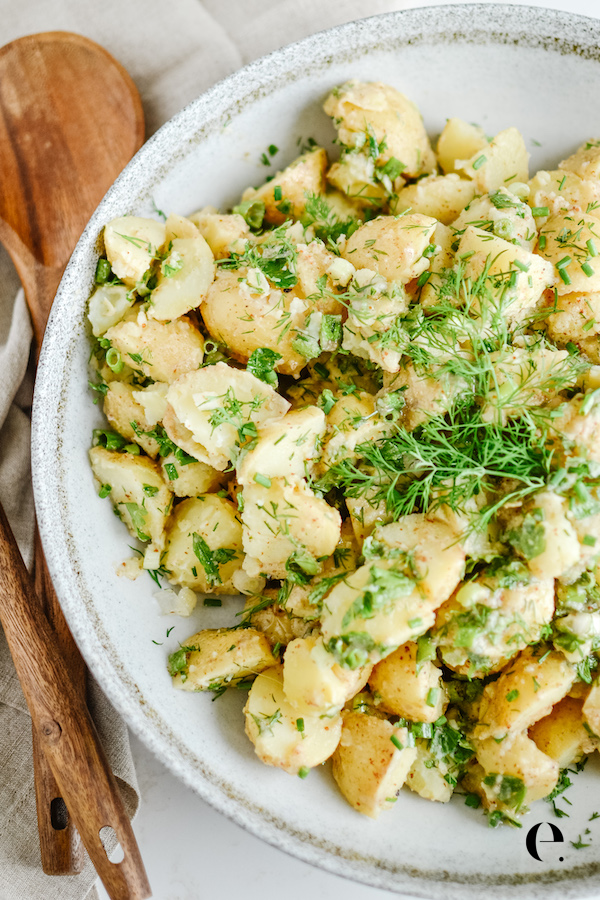
Healthy Potato Salad with Dill & Chives (No-Mayo)
Let’s settle this once and for all: Does a potato salad recipe need mayo? Short answer: absolutely not. This healthy potato salad is bright, herby, mayo-free, and honestly, my current favorite. The fresh dill, chopped chives, and zippy vinaigrette give it major flavor without the heaviness of traditional versions. Oh—and it holds up beautifully at
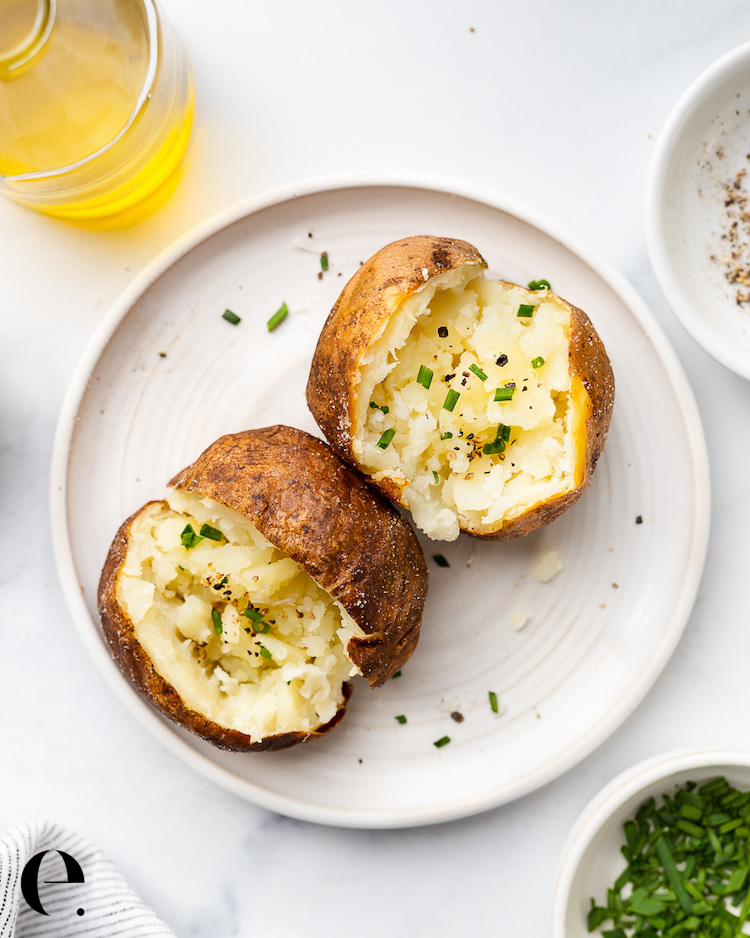
Easy Baked Potato in Air Fryer (Perfect Every Time)
Make the perfect baked potato in the air fryer—crispy skin, fluffy inside, and ready in about 40 minutes. This simple method works for any potato size and is hands-down the easiest way to get oven-style results without heating up your kitchen.
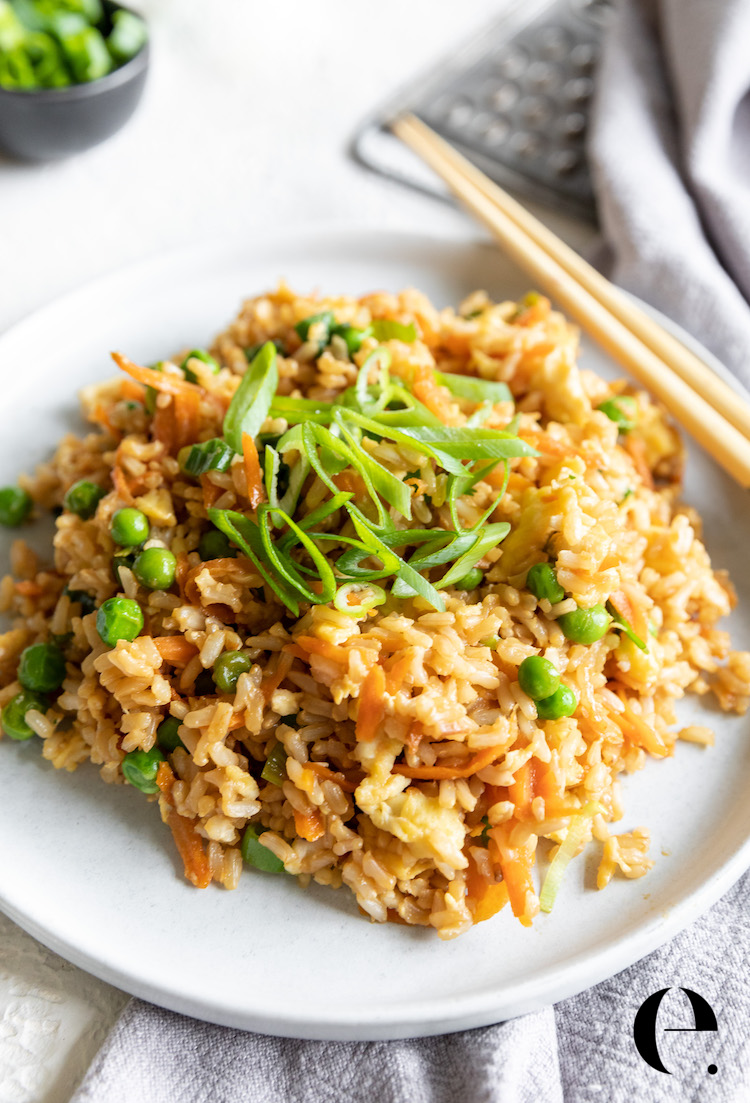
Healthy Fried Rice – Quick, Flavorful & Easy to Make
This healthy fried rice recipe is a fan-favorite! One reader commented, “OMG, I am not overreacting at all: this is the best recipe of rice, EVER.” If your rice is already prepared, this recipe takes just about 15 minutes to prepare. If you need to prepare the brown rice, plan for about 55 minutes total.
If you love it, please leave a star rating in the comments under this post to help other readers. (Thank you!)

Spanish Rice Recipe (aka Sofrito Rice)
This savory Spanish Rice starts with a fragrant sofrito, cooked down just enough to deepen in flavor before it mingles with toasted rice and tomato paste. Baked in the oven until tender and fluffy, it’s an easy, crowd-pleasing side, or base for any weeknight meal.

Strawberry Banana Smoothie Recipe
I love having a strawberry banana smoothie for breakfast—it’s an “oldie-but-goodie” that never gets old! It’s a bright, well-balanced drink that is light yet fills you up without being heavy or slowing down your digestion. Plus, this delicious strawberry banana smoothie is loaded with beneficial fiber, electrolytes, and antioxidants that make me feel like I’m

Apple Pie Overnight Oats Recipe
This apple overnight oats recipe makes 2 servings and is easily doubled or tripled if needed. Overnight oats keep in the fridge for 4-5 days, so make these ahead for delicious breakfasts all week long. We like them cold, but you can heat them over medium heat in a small pan on the stove if desired.
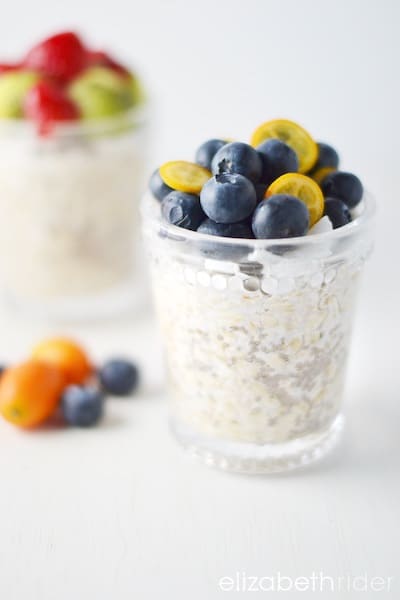
Hemp Seed Overnight Oats Recipe
Adding chia seeds and hemp seeds to your overnight oats is a great way to add extra protein, fiber, and omega-3’s. We love this recipe with additional mix-ins like hemp seeds or flax seeds. Use what you have on hand to customize it to your preferences.











8