



By now you know that too much sugar isn’t great for your health.
But what many don’t know is how crafty food companies can be at disguising sugar, even in foods that don’t taste sweet.
The World Health Organization (WHO) advises less than 25 grams of added sugar daily (that doesn’t include the natural sugars you find in fruits and veggies).
This is why it’s crucial for you to become a label detective to spot hidden sugars!
The Sugar in Disguise
When you dive into packaged or ready-made foods, that 25-gram sugar limit can be reached surprisingly quickly.
It’s similar to managing a budget during home renovations: doing it yourself stretches your dollar further. The same goes for your sugar intake. Prepare your meals, and you’ll manage your sugar ‘budget’ better.
For perspective, a six-ounce flavored yogurt might pack 20 to 26 grams of sugar—equal to or more than a candy bar!
The Healthy Halo Effect
Even foods with a health halo can be sugar traps. Think of it this way: you can dress up a cupcake with vegan frosting, but it’s still a cupcake. Manufacturers are onto us checking labels for sugar, so they get sneaky and change the name.
Below is a list of sugar aliases to watch for:
Other Names for Sugar:
- Agave nectar
- Barbados sugar
- Barley malt
- Barley malt syrup
- Beet sugar
- Brown sugar
- Buttered syrup
- Cane juice
- Cane juice crystals
- Cane sugar
- Caramel
- Carob syrup
- Castor sugar
- Coconut palm sugar
- Coconut sugar
- Confectioner’s sugar
- Corn sweetener
- Corn syrup
- Corn syrup solids
- Date sugar
- Dehydrated cane juice
- Demerara sugar
- Dextrin
- Dextrose
- Evaporated cane juice
- Fructose
- Fruit juice
- Fruit juice concentrate
- Glucose
- Glucose solids
- Golden sugar
- Golden syrup
- Grape sugar
- High-fructose corn syrup (HFCS)
- Honey
- Invert sugar
- Malt syrup
- Maltodextrin
- Maltose
- Mannose
- Maple syrup
- Molasses
- Organic cane sugar
- Palm sugar
- Powdered sugar
- Raw sugar
- Refiner’s syrup
- Rice syrup
- Sorghum syrup
- Sucrose
- Sugar (granulated)
- Sweet sorghum
- Syrup Turbinado sugar
Do Fruits and Veggies Count as Added Sugar?
No. The natural sugars in whole fruits and vegetables are NOT part of the 25 grams of added sugars we’re watching. Use these whole foods to sweeten your dishes naturally and benefit from their nutrients and fibers.
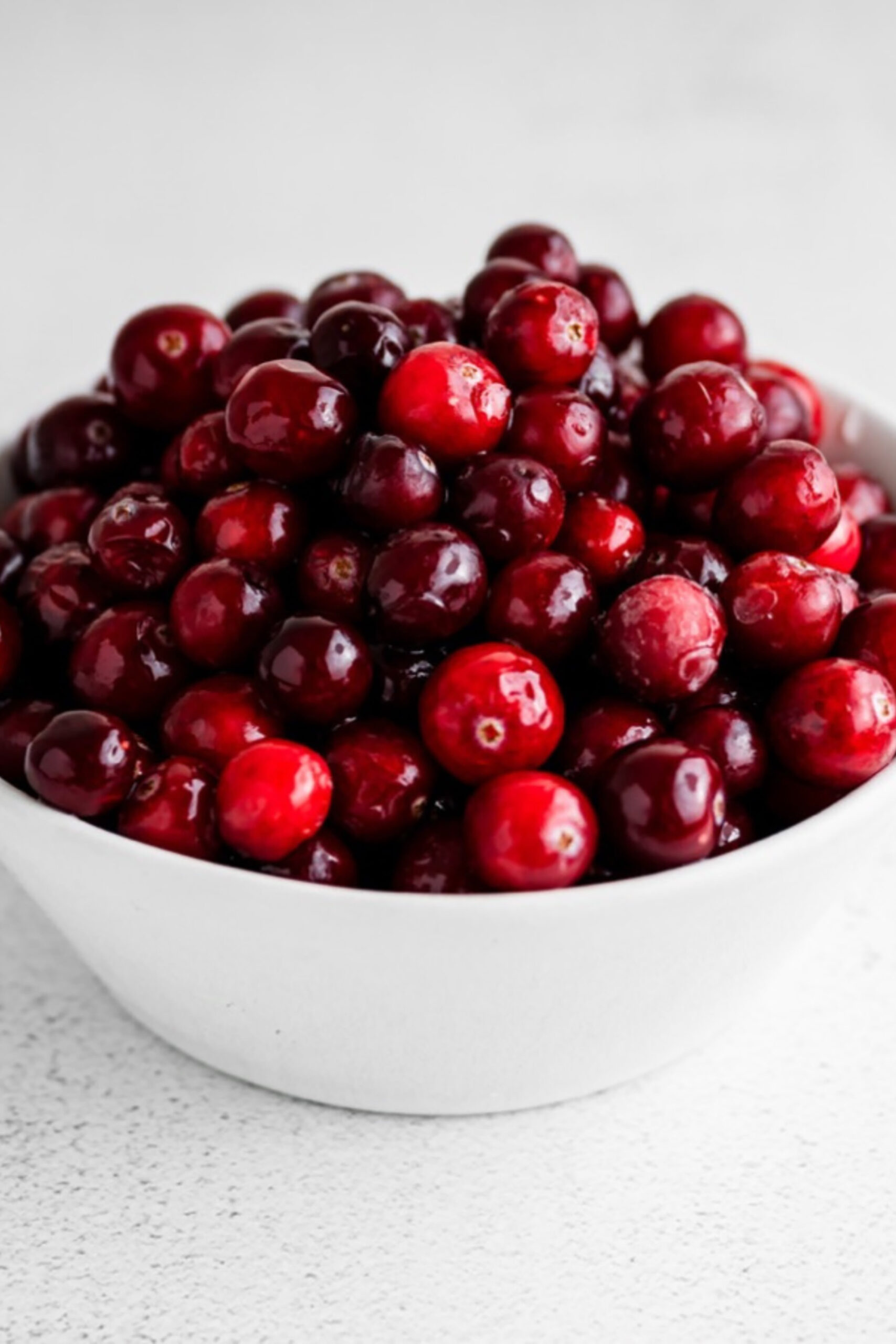
Fruits in their whole form are nature’s candy and far better for you than processed sugars. A study has shown that women who ate two or more pieces of fruit daily were less likely to experience depression.
But be wary of fructose out of context, like in juices (even fresh fruit juice) or processed sweeteners—it’s not the same as the whole fruit and can be hard on your liver.
At home, try unsweetened yogurt with berries and a bit of honey, or an apple with almond butter. These options are delicious without sending your sugar intake through the roof.
What About Sugar Substitutes?
Artificial sweeteners, despite being calorie-free, can still trigger a hormonal response similar to sugar. Studies suggest that they might not aid weight loss as previously thought. Even natural zero-calorie sweeteners like stevia, while better, should be used sparingly to reduce sugar dependence.
By educating ourselves and becoming adept label readers, we empower our choices and take control of our sugar consumption.
It’s not about never enjoying a sweet treat, but rather knowing the other names for sugar and when and how sugar is entering our diet.
Let’s embrace the natural sweetness found in whole fruits and craft our own delicious alternatives to heavily processed foods. It’s our health, our body, and our responsibility. Sugar is sweet, but a life without the hidden sugars is even sweeter.













Leave A Review + Read The Comments →