


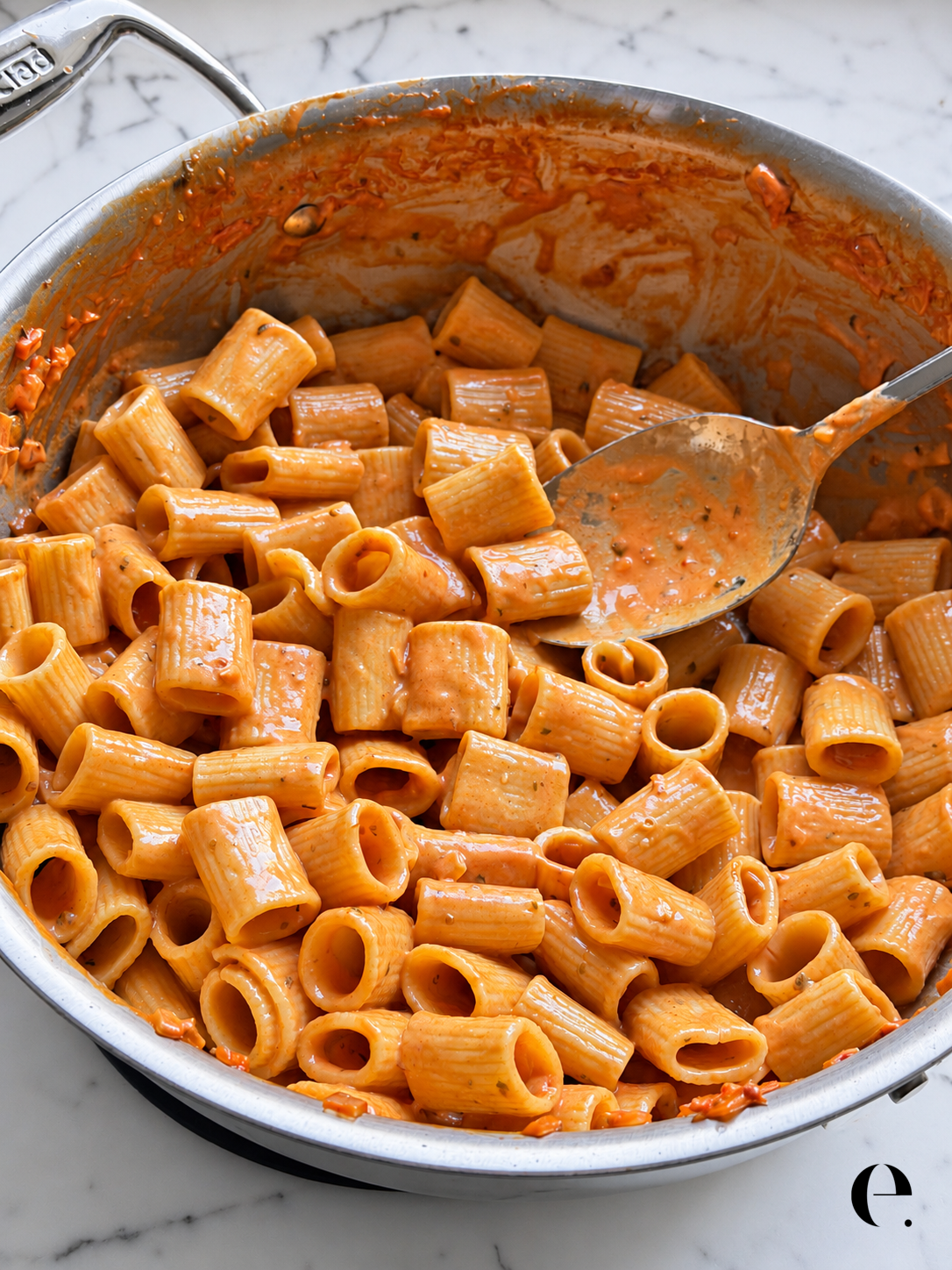
If you don’t know what to make for dinner, make Pasta alla Vodka. When I want creamy tomato pasta at home with minimal effort, this is how I make it!
And yes you can skip the vodka if you prefer.
You’ll need a shallot (or half an onion), garlic, tomato paste, cream, freshly grated Parmesan and a box (12-to-16 ounces) of pasta. I prefer rigatoni here, but any pasta works.
The great thing about Pasta alla Vodka (aka Creamy Tomato Pasta) is that you might already have most of what you need in your pantry and fridge.
Why is this better than takeout? I did the math for us. The ingredient estimate for this recipe is around $10–$15 for four generous servings, or about $2.50–$3.75 per serving. Your cost will depend on the brands you buy and what you already have; buying full containers of every ingredient will cost more. Still, it’s an easy way to get a takeout-style pasta dinner on the table without paying for four takeout meals and delivery.
I also like knowing exactly what’s going into my dinner. Making it at home lets you adjust the salt, cream, cheese, and portion size to suit you. Add a big green salad or some roasted vegetables alongside it, and dinner is handled.
Vodka Pasta Ingredient Notes
- Tomato paste does most of the work here. Cooking it in olive oil before adding the cream takes away that raw tomato-paste flavor and gives the sauce a deeper, richer taste.
- Start with 4½ ounces double-concentrated tomato paste per pound of pasta. You can use 3 ounces for a softer tomato flavor or up to 6 ounces for a more tomato-forward sauce. You don’t have to be exact, but measure by weight or check the package rather than assuming every tube is the same size.
- Vodka (optional): The creamy tomato sauce is delicious with or without the vodka. Sounds counterintuitive, but vodka pasta doesn’t actually need vodka to turn out great (I explain the vodka and food science below). It deepens and rounds out the tomato flavor so use it if you can, but totally fine to skip it.
- Pantry ingredients:
- 1 large shallot or 1/2 and onion work. I prefer shallot but I always have onions around.
- Mince, press or finely grate the garlic so it blends right into the sauce.
- I like 1 teaspoon dried oregano, but you can use Italian seasoning or basil. Fresh basil is optional for serving and delightful if you have it.
- Fresh grated parmesan cheese adds another layer of flavor, umami notes, and saltiness. Use it if you have it.
- Starchy pasta water: You’ll need about 1 cup (maybe more) so save some pasta water before you drain the pasta. It helps loosen the tomato paste and cream into a sauce that coats every piece of pasta. If you accidentally forget you can use hot water, but try to remember the pasta water—the starch in it from the cooked pasta helps emulsify the sauce.
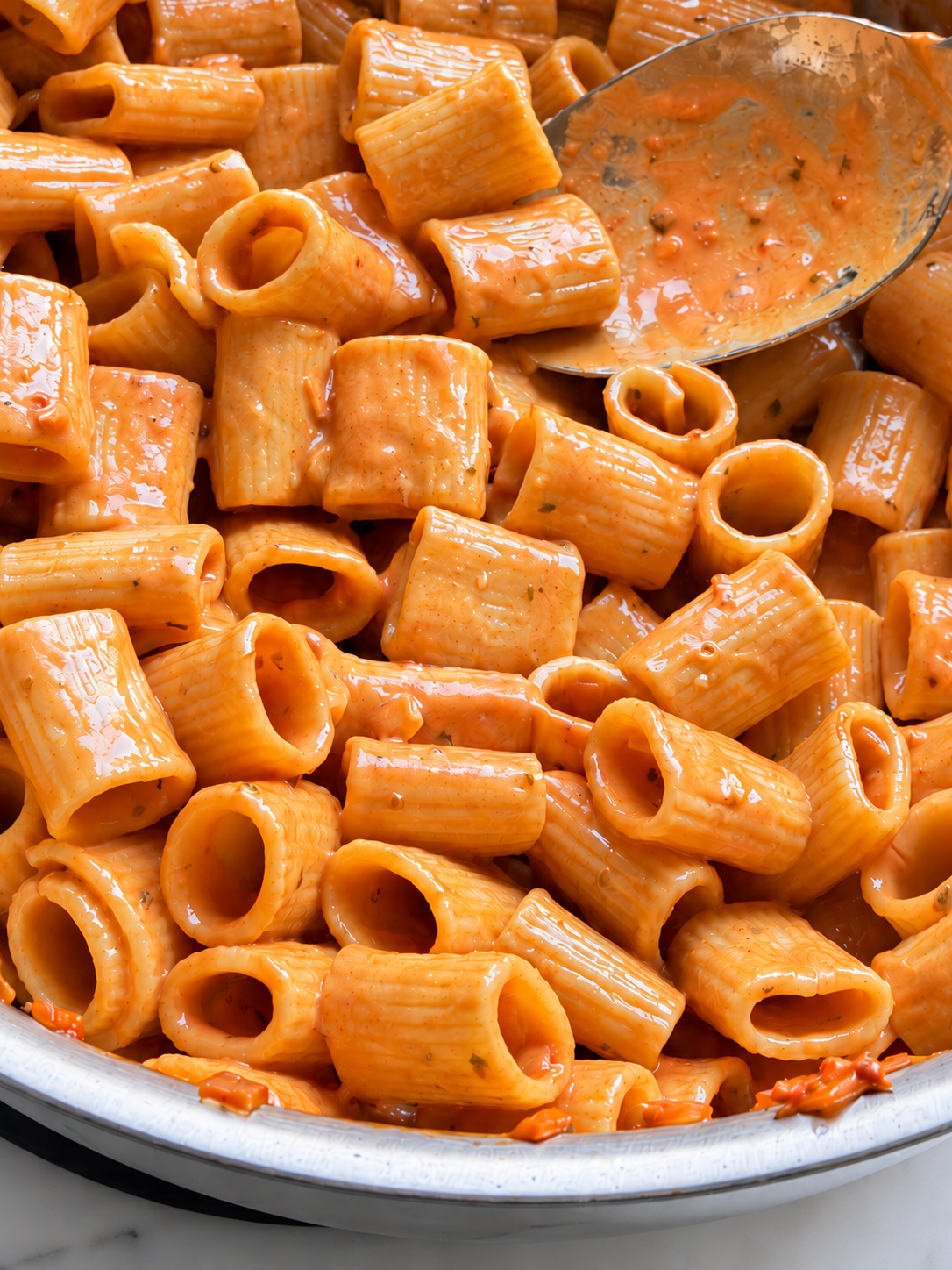
How to Make Pasta alla Vodka in 20 Minutes
Vodka pasta is really more of a method. I give you exact ingredient measurements in the recipe card below, but I find it best to learn the method then use what you have on hand.
1. Start cooking the shallots or onion.
Heat 3-4 tablespoons olive oil in a large skillet over medium heat. Add the shallot or onion with a big pinch of salt and cook until softened, stirring occasionally. Choose a high-sided skillet big enough to hold the cooked pasta, too. You’ll finish everything together in the pan.
2. Cook the tomato paste, then add the garlic.
Add 2–4 pressed or minced garlic cloves and 4½ ounces double-concentrated tomato paste (or 3–6 ounces of any tomato paste). Stir frequently until the paste deepens in color and the olive oil takes on a red tint. Add a little more oil if the pan looks dry, and lower the heat if anything starts to scorch. If you really want to add fresh or canned tomatoes (you really don’t have to), you can do that now.
Give this step a few minutes. Stirring cream into uncooked tomato paste won’t give you the same flavor.
3. Optionally deglaze with the vodka, then add the seasoning.
Vodka: If you’re using vodka, add 2-4 tablespoons (2-4 ounces) to the tomato paste mixture and stir and simmer for 1–2 minutes before continuing to let the alcohol cook off. It should simmer and you should see the vodka start to evaporate—if it doesn’t do that increase the heat of the pan until it does.
Seasoning: Reduce the heat to medium, add 1 teaspoon dried oregano or Italian seasoning, and cook for about 1 minute, stirring. Watch closely so the seasonings don’t burn. Start with ½ teaspoon of salt because the Parmesan and pasta water will also add salt. Add up to ½ teaspoon chili flakes, or Calabrian chiles to taste, if you like a little heat.
For more chili flavor throughout the sauce, add a small amount earlier with the tomato paste so it blooms in the oil. For a gentler kick, start with a small pinch right before the cream.
4. Slowly add the cream.
Turn the heat down to low. Whisk in ½–¾ cup heavy cream a little at a time until the sauce is smooth. Start with ½ cup and add more if you prefer a creamier sauce, then season with salt to taste.
If your pasta isn’t cooked yet, turn off the heat on the tomato and cream sauce (you can turn it back to medium heat when you add the pasta).
5. Cook the pasta and save the water.
Cook 16 ounces rigatoni or another short pasta in salted water until about 1 minute shy of al dente. You can do this while the sauce cooks, or make the sauce base first if you prefer to focus on one thing at a time.
Before draining, reserve at least 2 cups pasta water. You’ll likely use a little more than 1 cup, but it’s helpful to have extra.
6. Toss until creamy and glossy.
Add the pasta to the skillet with a splash of pasta water. Over low heat, toss and stir, adding more pasta water gradually until the sauce coats the pasta.
Finely grate 4 ounces Parmesan and reserve a small handful for serving. Reduce the heat to very low or take the skillet off the heat, then add the remaining cheese in small additions, continuing to toss. Add another splash of pasta water whenever the sauce needs loosening.
Taste before adding more salt, then serve with the reserved Parmesan and torn fresh basil, if you like.
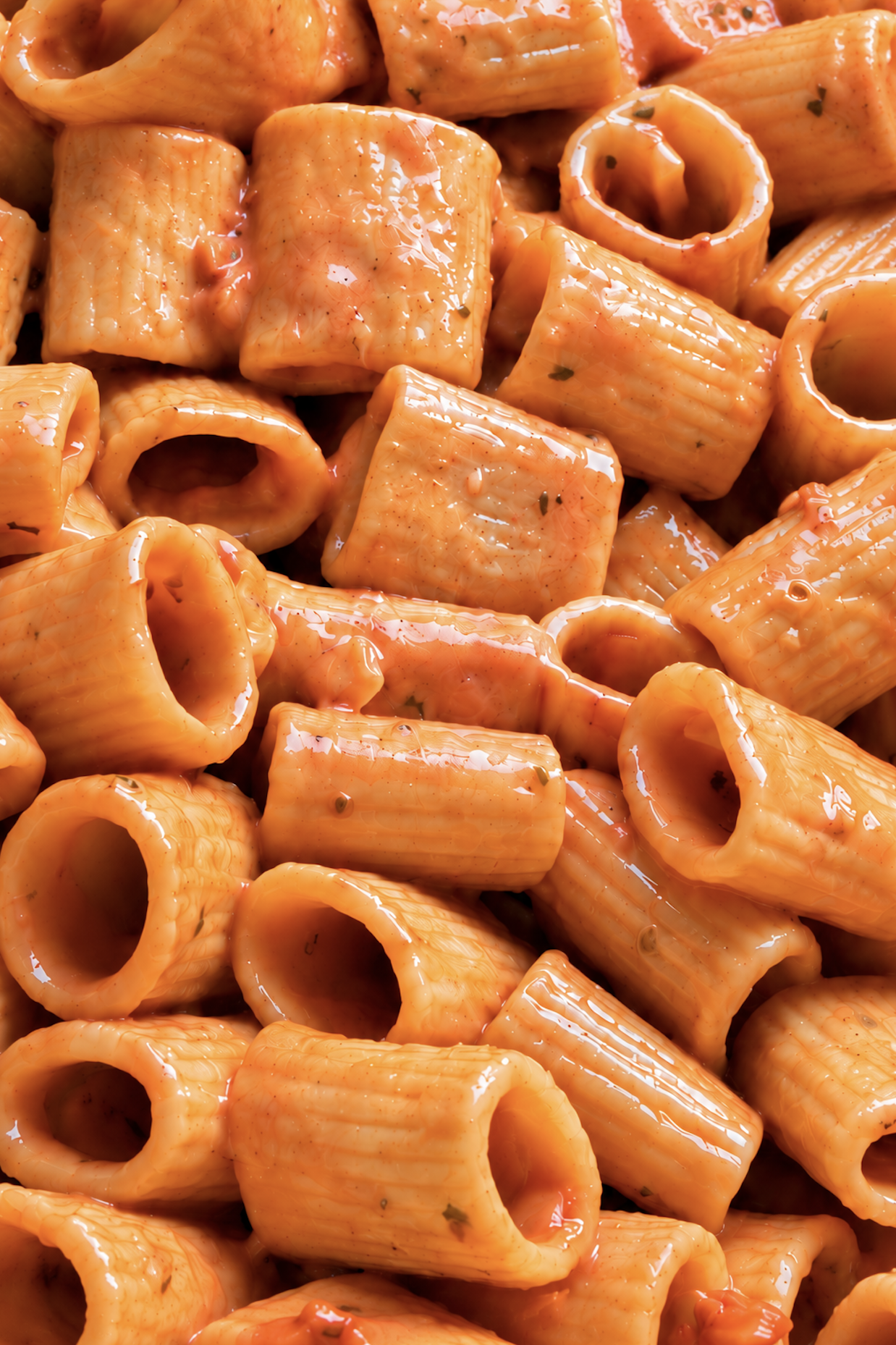
Tips for the Best Pasta alla Vodka
- Choose double-concentrated tomato paste if possible. You can build a full-flavored tomato sauce with a small amount, then control its consistency with cream and pasta water. Cook the paste until it darkens and tints the olive oil red before moving on. If you can’t find double-concentrated tomato paste no worries, this will still be good.
- Keep the garlic and oregano from scorching. Stir often and adjust the heat as you go. If the paste is sticking and the pan looks dry, add a little olive oil.
- Turn the heat down before adding cream. Let the vigorous sizzling settle, then whisk the cream in gradually over low heat. Avoid a hard boil once the cream is in.
- Finish cooking the pasta in the skillet. Drain it about 1 minute before it reaches al dente, then toss it with the sauce and pasta water until tender with a little bite.
- Pick a short pasta with room for sauce. Rigatoni is great here, but penne, mezzi rigatoni, or paccheri also work. Follow the cooking time for the shape you choose.
- Save more pasta water than you think you need. Reserve at least 2 cups and add it a splash at a time. You’ll likely use about 1 cup. Keep tossing and stop when the sauce looks glossy and coats the pasta without becoming soupy.
- Adjust the richness and heat. Start with ½ cup cream and go up to ¾ cup if you like. Chili flakes or Calabrian chiles are optional; start small, especially if your chiles are very hot.
- Serve while the sauce is loose and glossy. Pasta absorbs liquid as it sits. A splash of warm pasta water and another toss will loosen it before serving. Fresh basil is a nice optional finish, but I use dried oregano in the sauce.
- Need gluten-free? Use gluten-free noodles.
- Need dairy-free? Use cashew cream or coconut milk instead of heavy cream and vegan parm as a topping (don’t stir in the vegan parmesean as it doesn’t melt as well). Cashew cream or coconut milk will taste different than heavy cream (dairy) but you’ll still have a good pasta dish.
Can I Make It Without Vodka?
You can skip the vodka. The vodka adds another layer of flavor by deepening the tomato flavor (it’s food science), but I also make this as a simple creamy tomato pasta without it. Skip it and move straight to the oregano, or add a splash of water to loosen any tomato paste stuck to the pan. Keep the rest of the method the same.
Why use vodka in the first place? The vodka helps bring out the tomato’s aroma, making the sauce taste a little brighter and more complex. You only need a splash, and simmering mellows its sharp edge. But again, it’s optional. The creamy tomato sauce is delicious either way.
If you need the dish to be alcohol-free, leave the vodka out. While simmering it removes most of the alcohol and you can’t taste it, there’s no guarantee it’s all cooked off.
Find more pasta recipes here.
Print
Pasta alla Vodka (20 Minutes)
- Prep Time: 5 minutes
- Cook Time: 15 minutes
- Total Time: 20 minutes
- Yield: 4 servings
- Category: Dinner
Description
Creamy tomato pasta made with olive oil, garlic, tomato paste, cream, and Parmesan. Add vodka for the vodka version or leave it out for an easy creamy tomato sauce. Pasta alla Vodka comes together in about 20 minutes—it cooks fast so make this tonight if you don’t know what to make for dinner! All of the ingredient measurements here are guides, feel free to use more or less of anything. Once you learn how to make this it will be your go-to pasta dinner.
Ingredients
- 16 ounces rigatoni (or any short-cut pasta)
- 3 tablespoons extra-virgin olive oil
- 1 shallot, finely chopped
- 3 garlic cloves, minced
- 4 ounces tomato paste, preferably double-concentrated
- 2 tablespoons vodka, optional
- 1 teaspoon dried oregano or Italian seasoning
- 1/2 teaspoon salt, plus more for the pasta water
- 1/4 teaspoon red pepper flakes or Calabrian chilis, optional
- 1/2 cup heavy cream
- 4 ounces Parmesan cheese, finely grated, divided
- 1–2 cups reserved pasta water, as needed
- Fresh basil, for serving, optional
Instructions
- Cook the shallot: Heat the olive oil in a large high-sided skillet over medium heat. Add the shallot or onion and a big pinch of salt and cook until softened, about 3–5 minutes.
- Cook the tomato paste and garlic: Add tomato paste and cook, stirring frequently, until the paste deepens in color and the oil turns red, about 2–4 minutes. Add a little more oil if dry and adjust the heat to prevent burning. Add the garlic and cook 1-2 minutes until fragrant. Don’t burn the garlic.
- Deglaze with vodka, if using: Turn the heat to medium high and add the vodka simmer, stirring, for 1–2 minutes to cook off the alcohol. (Skip the vodka if preferred). Reduce the heat to medium, stir in the 1 teaspoon oregano, and cook for about 1 minute without letting it burn.
- Add the cream: Reduce the heat to low and slowly whisk in the cream until smooth. Start with ½ cup cream and add up to ¾ cup to taste. Add a 1/2 teaspoon salt and the optional chili flakes or Calabrian chiles; adjust the salt after adding the cheese and pasta water. If the pasta needs more time to cook turn the heat off the tomato & cream sauce until you’re ready to add the pasta.
- Cook the pasta: Meanwhile, cook the pasta in salted water until about 1 minute shy of al dente, using the package timing as a guide. Reserve at least 2 cups pasta water before draining.
- Bring together: Return the tomato sauce to medium heat. Add the pasta to the skillet with a 1/2 cup of pasta water. Toss over low heat until the pasta is al dente, adding pasta water as needed. (You’ll probably use about 1 cup total.) Reserve a small handful of the Parmesan for serving. Remove the pan from the heat, then add the remaining Parmesan gradually, tossing until the sauce is creamy and glossy. Taste and adjust the seasoning. Serve immediately with the reserved Parmesan and optional fresh basil.
Notes
Pasta: Use a 12–16-ounce box of any pasta you like. Rigatoni is my favorite here, but penne or another short pasta works well.
Shallot and garlic: Substitute ½ medium onion for the shallot. Use 2–4 garlic cloves depending on your preference; mince, press, or finely grate them.
Olive oil: Add another tablespoon if the tomato paste mixture looks dry.
Tomato paste: Double-concentrated paste is great here, but regular tomato paste works, too. Use 3 ounces for a milder tomato flavor or up to 6 ounces for a more tomato-forward sauce.
Vodka: Use 2–4 tablespoons, or skip it entirely. Add a splash of water if needed to loosen the tomato paste. A brief simmer does not remove all the alcohol.
Seasoning: Substitute Italian seasoning or dried basil for the oregano. For more heat, use up to ½ teaspoon red pepper flakes or Calabrian chiles to taste. Add chiles with the tomato paste to bloom them in the oil, or just before the cream for a gentler kick.
Cream: Start with ½ cup and increase to ¾ cup for a creamier sauce. Lower the heat before adding it and avoid a hard boil.
Parmesan: Reserve a small handful for serving. Add the rest gradually over very low heat or off the heat, tossing well.
Pasta water: Reserve at least 2 cups before draining. You’ll likely use about 1 cup, possibly more. Add it gradually until the sauce is glossy and coats the pasta. If you forget to save it, hot water works in a pinch.
Timing: For a 20-minute dinner, make the sauce while the pasta water heats and the pasta cooks.










Leave A Review + Read The Comments →