


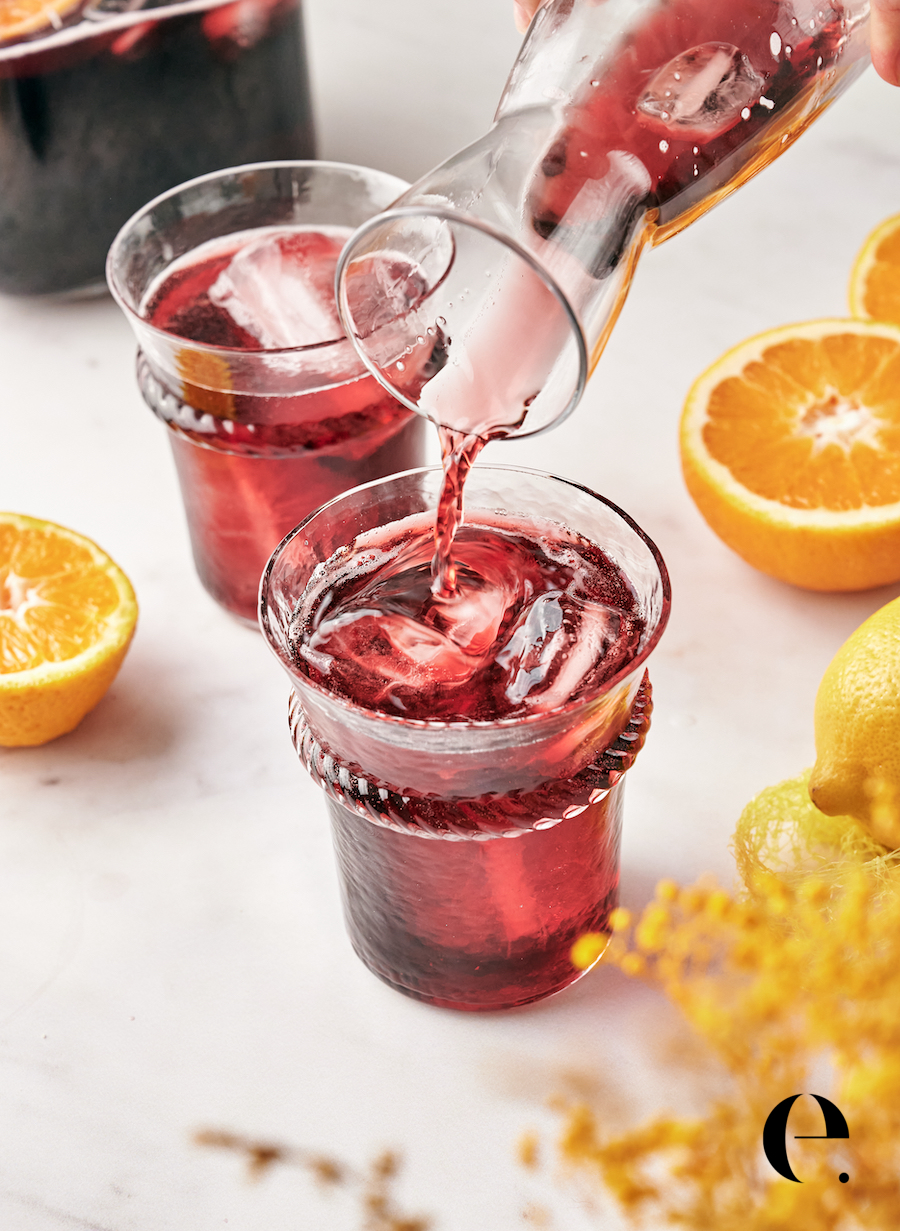
Tinto de verano is the drink of summer in Spain, and I insist we borrow it over here in America!
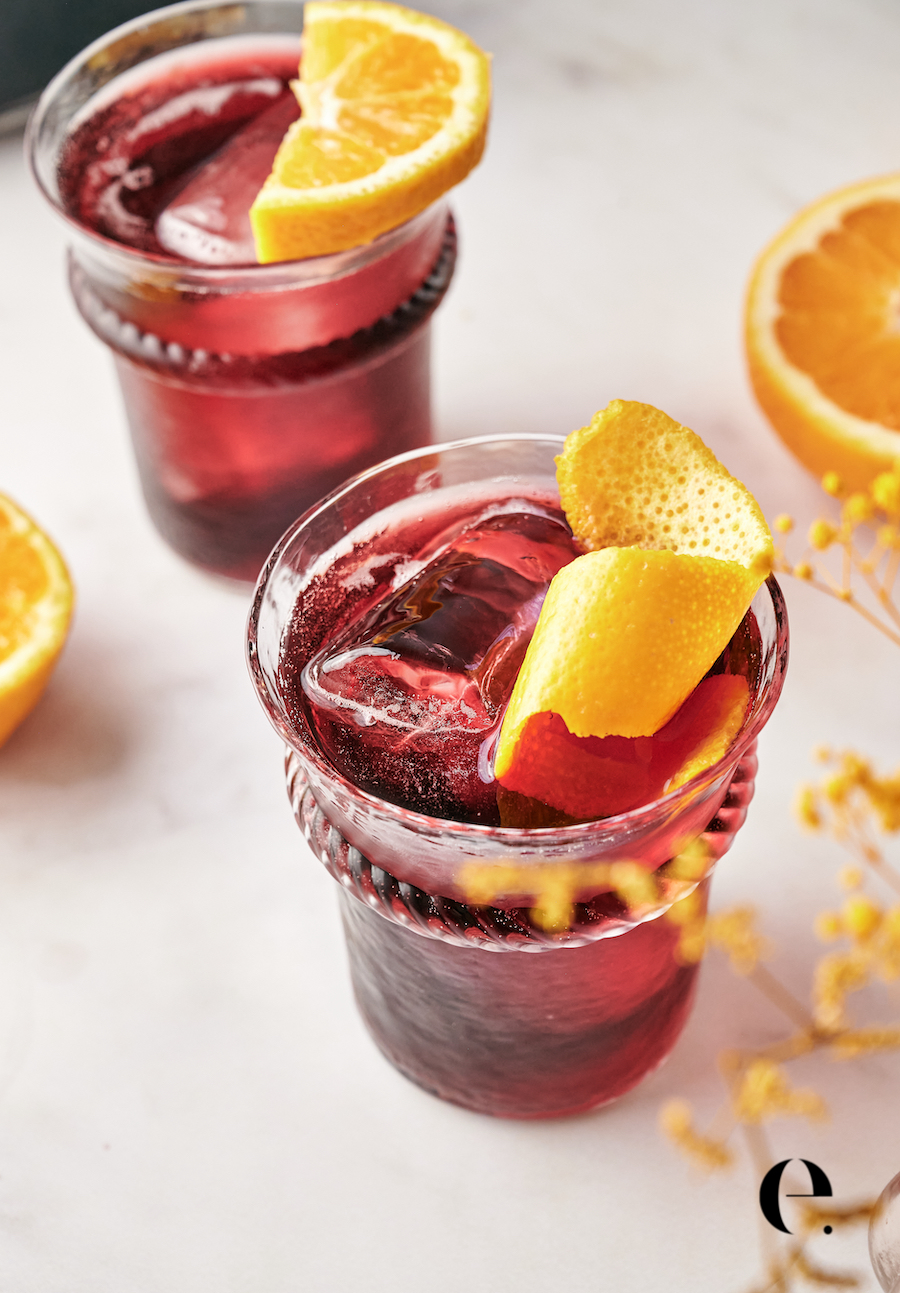
This tinto de verano recipe is the one my host mom made when I studied abroad in Granada, Spain. It is equal parts red wine and lemon soda poured over a lot of ice, with citrus slices floating on top. That is the entire recipe. Most versions you find online are quietly sangria in disguise, which is also delicious, but not tinto de verano.
I have made it that exact way ever since, and I can tell you the reason most recipes get it wrong: they treat it like sangria’s fussy little sibling. They add brandy. They add vermouth. They tell you to macerate fruit overnight and pick a nice bottle. None of that belongs here. Tinto de verano is a two-ingredient drink that translates to “red wine of summer,” and the whole point is that it takes ninety seconds and costs almost nothing.
Why You’ll Love This Tinto de Verano
- The ratio does the work. One standard bottle of wine and two cans of soda lands you at almost exactly equal parts, so you never have to measure anything.
- It is genuinely low effort in a way sangria is not. No brandy, no sugar, no soaking fruit for four hours, no planning ahead.
- Lower alcohol than a glass of wine, because half the glass is soda and ice. You can have one at three in the afternoon and still make dinner. Soda in Europe is generally lower in sugar than American soda, so use half soda and half sparkling water for a lower sugar option.
- This is the cheap-wine recipe. A lower priced bottle is the correct choice here, not a compromise.
- It scales beautifully for a crowd. One bottle fills six glasses, and doubling it takes ten extra seconds.
What You’ll Need
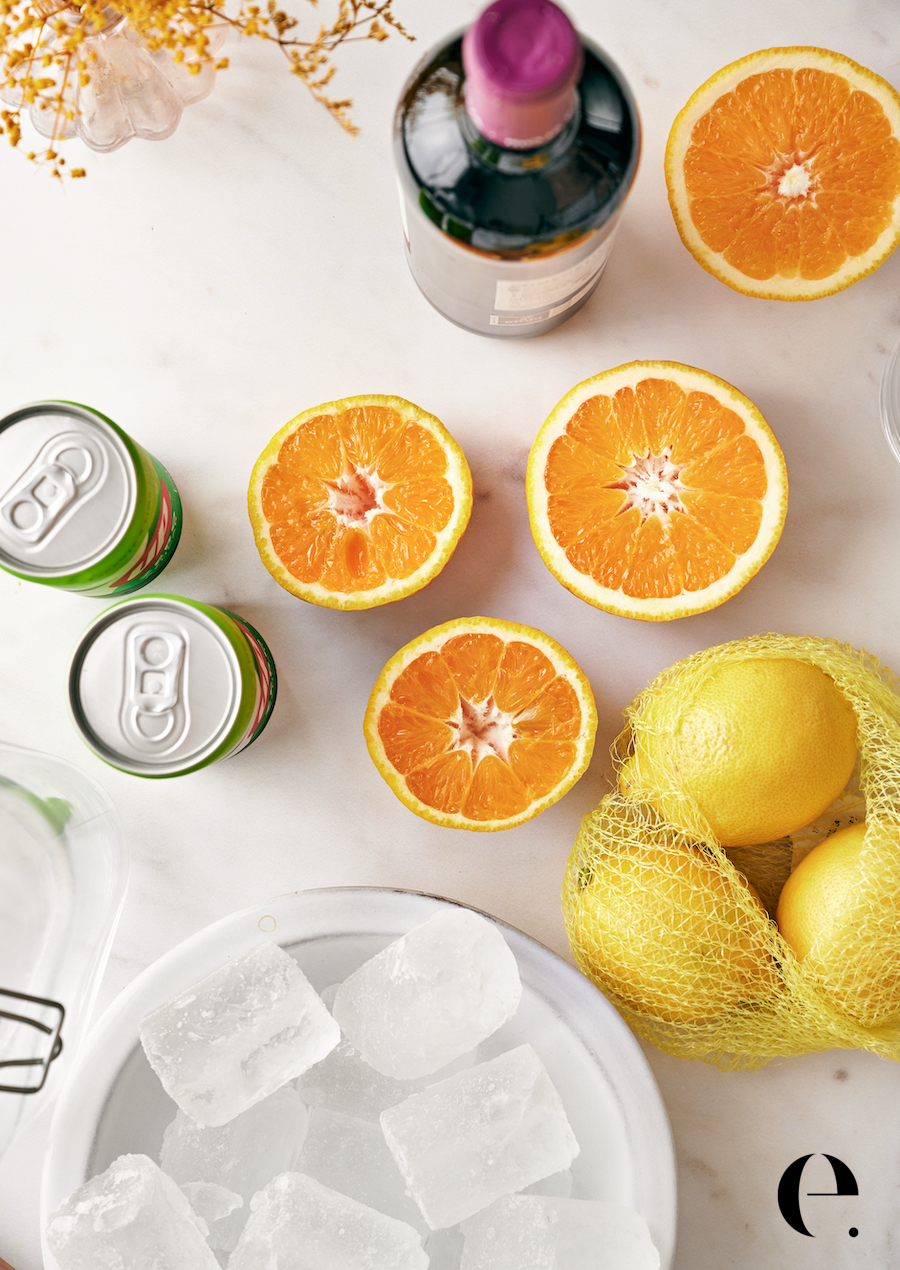
Here is the entire ingredient list, which is part of the charm:
- Red wine (young, fruity, inexpensive; e.g. Tempranillo or Granache)
- Lemon-lime soda (Sprite, 7UP, or La Casera Limón if you can find it)
- An orange, sliced
- A couple of lemons, sliced
- A lot of ice
- Orange rind or extra slices for garnish
Six things, five minutes, and no cooking whatsoever.
Tinto de Verano Ingredient Notes
The red wine
Buy the inexpensive bottle. I mean it. A young, fruity Spanish red like Tempranillo or Garnacha is ideal, but any fruit-forward table wine under $12 works beautifully. Once it meets the soda and the ice, a nicer bottle contributes nothing you can taste, and the Spanish grandmothers I learned this from would find spending more on it genuinely funny. What you do want to avoid is anything heavy, oaky, or high in tannin, because those flavors turn slightly bitter against the sweetness of the soda.
The soda
In Spain this is made with gaseosa, a lightly sweet clear soda, and La Casera is the brand you see on every table. In the US, Sprite and 7UP are the correct swaps and taste very close. If you want it less sweet/lower in sugar—and I often do—use one can of soda and top the rest with plain sparkling water or club soda. That version is closer to what you get if you order a tinto “blanca” in Spain, and it is the one I make most often at home now.
The citrus
The orange and lemon slices go in the jar, not just on the rim. They are not there to be eaten later like sangria fruit, they are there to release a little oil and juice into the wine while everyone is standing around. Slice them thin, use them the same day, and do not be tempted to add strawberries and peaches and mint. That is a different drink.
To save on groceries, I buy all my pantry staples, including sparkling water and healthier-made wines, from Thrive Market, a high-quality online grocer. Get 40% off your first order at Thrive Market here.
How to Make Tinto de Verano
There is no technique to master here, but the order matters more than you would think. Here is how to do it:
- Fill a large pitcher or jar with ice first, before anything else goes in. This is the step people skip. The ice needs to be in there chilling the wine down from the moment it hits the glass, not added at the end when everything has already gone lukewarm.
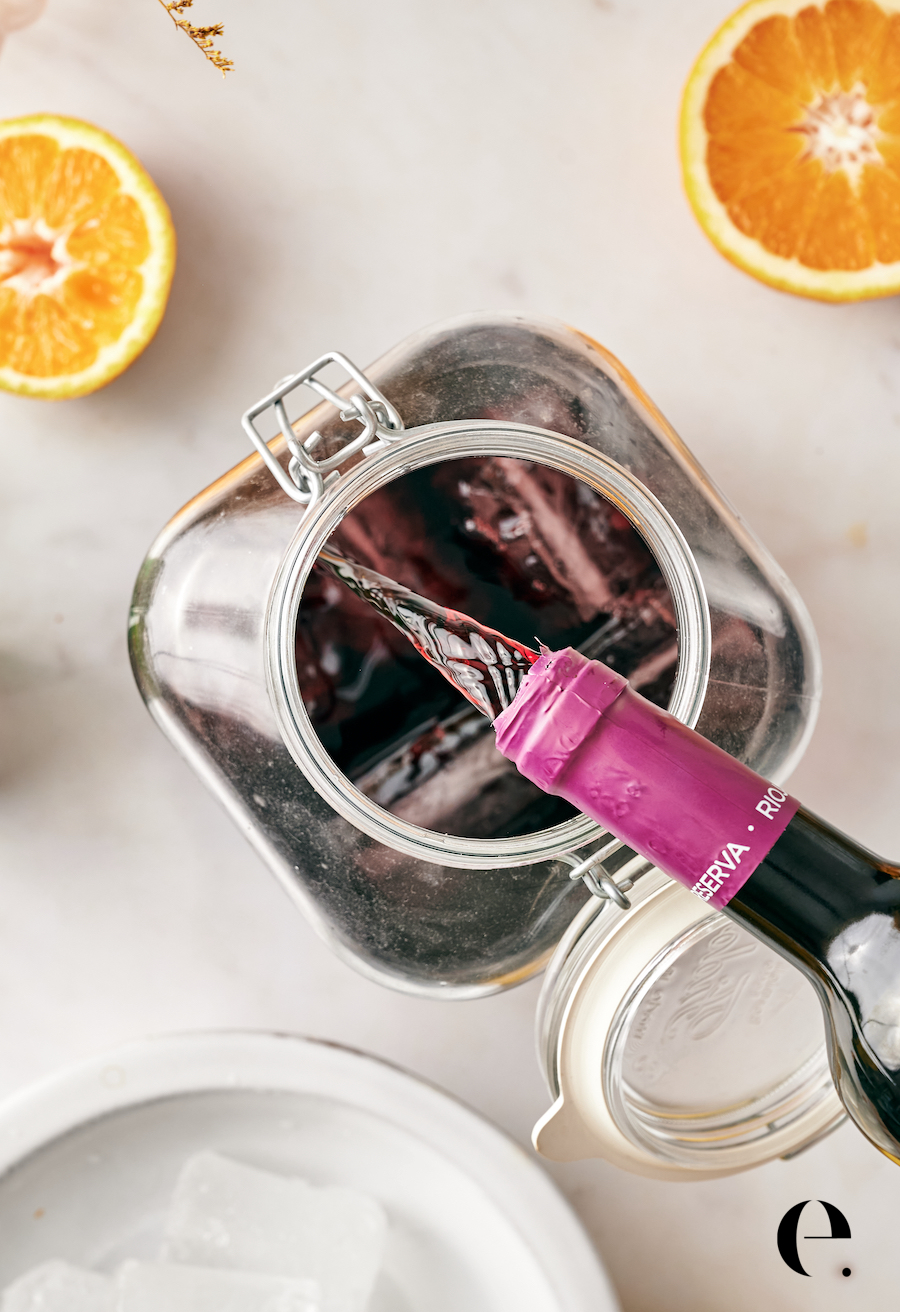
- Pour in the full bottle of red wine over the ice.
- Add the sliced orange and lemons. Push them down gently so they are sitting in the wine rather than floating on top.
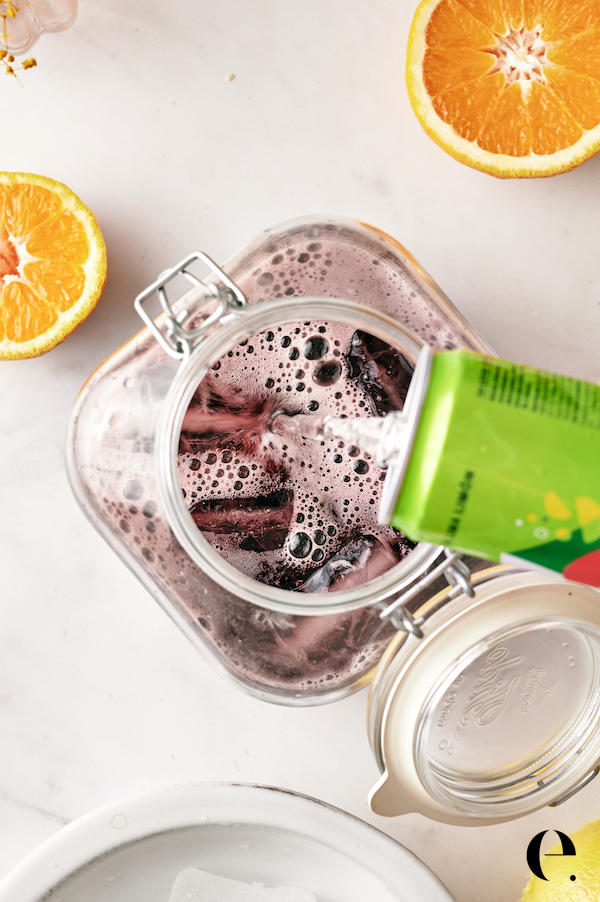
- Top with the soda and stir once, barely. The more you stir, the more carbonation you lose, and those bubbles are doing half the work. One slow pass with a long spoon is plenty.
- Serve immediately over fresh ice in tall glasses. Do not pour from a pitcher that has been sitting, because the ice in the pitcher is there to chill, not to hold. Garnish each glass with an orange slice or a twist of rind.
I spent a semester in Granada, which is about as far from Montana as a nineteen-year-old can get, and my host mom made a big jar of this almost every afternoon once the weather turned. Not for a party. Just because it was hot and it was four o’clock. She used an easy red wine (usually Tempranillo), a bottle of lemon soda (European sodas have much less sugar than American soda), a whole lot of ice, and whatever citrus was in the bowl on the counter.
If you’re serving a crowd, my host mom’s actual method was better than a pitcher: set the chilled wine, the soda, a bucket of ice, and a bowl of citrus on the table and let everyone build their own. People take exactly the ratio they want, and nothing goes flat.
Tinto de Verano (Wine with Soda)
- Prep Time: 5 minutes
- Total Time: 5 minutes
- Yield: 6 Servings
Description
This authentic tinto de verano recipe is the real Spanish version, made with equal parts red wine and lemon soda over plenty of ice. It is the drink locals order all summer long, it comes together in five minutes, and it is the easiest thing you can hand a crowd on a hot afternoon.
Ingredients
- 1 (750 ml) bottle young, fruity red wine, chilled (Tempranillo or Garnacha are ideal)
- 2 (12 oz) cans lemon-lime soda, chilled (Sprite, 7UP, or La Casera Limón)
- 1 orange, thinly sliced
- 2 lemons, thinly sliced
- Plenty of ice
- Orange rind or extra orange slices, for garnish
Instructions
- Fill a large pitcher or jar with ice.
- Pour the entire bottle of red wine over the ice. Add the sliced orange and lemons, pressing them gently down into the wine. Top with the lemon-lime soda and stir once, gently, to combine. Do not over-stir or you will lose the carbonation.
- Fill tall glasses with fresh ice and pour the tinto de verano over the top. Garnish with an orange rind or slice and serve immediately.
To make a single serving:
- Fill a tall glass to the top with ice.
- Pour in 4 ounces of chilled red wine.
- Top with 4 ounces of chilled lemon-lime soda and stir once, gently.
- Garnish with an orange slice and a lemon slice. Serve immediately.
Notes
For a less sweet version, use one can of soda and top with plain sparkling water.
Use an inexpensive bottle of wine. It should taste good on its own, but this is not the place to use your nicest bottle of red.
Skip anything oaky or high in tannin, which turns slightly bitter against the soda.
For a crowd, set out the chilled wine, soda, ice, and citrus and let everyone build their own. That is how it is actually done in Spain.
Best made and served immediately. The soda goes flat within about two hours.
How to Serve Tinto de Verano
This is a before-dinner drink in Spain, which means it wants salty little things next to it rather than a full meal.
- Marcona almonds and good olives, which is the two-minute version and completely acceptable
- A plate of manchego with membrillo or a few slices of jamón
- Patatas bravas or a wedge of tortilla española
- Anything grilled and coming off the barbecue, since it cuts richness the way a spritz does
- A bowl of cherries or melon on a hot afternoon, which is how I most often actually drink it
Storage: Tinto de verano is best made and served the same hour. The soda goes flat within about two hours and the citrus starts to turn bitter overnight, so this is not a make-ahead drink. What you can do is prep ahead: slice the citrus and chill the wine and soda up to a day in advance, then assemble right before people arrive. Leftovers in the pitcher will keep in the fridge overnight but will be flat, so pour them over ice with a splash of fresh sparkling water to bring them back.
Want to cook at home more? Honestly, the cooking was never the hard part for me. The hard part was deciding what to make in the first place, night after night. That is exactly why I built the <a href=”https://butlerkitchen.com” target=”_blank” rel=”noopener”>Butler app</a>, my meal-planning & recipe app that makes deciding what’s for dinner WAY easier, so meals like this one actually make it into the rotation. Butler links all of your recipes, meal plans, and grocery lists in one place to reduce the mental load of deciding what to eat.
Tinto de Verano FAQs
What is the difference between tinto de verano and sangria?
Tinto de verano is red wine and lemon soda over ice, and that is all. Sangria adds brandy or another spirit, sugar or simple syrup, and a mix of chopped fruit that soaks for several hours. Sangria is a project and tinto de verano is a two-ingredient drink. In Spain, sangria is largely what tourists order and tinto de verano is what locals drink, especially in the south.
What kind of soda do you use for tinto de verano?
Traditionally you use gaseosa, a lightly sweet clear Spanish soda, and La Caserais the classic brand. Outside of Spain, Sprite or 7UP are the standard swaps and taste very close. For a less sweet version, use half soda and half plain sparkling water.
What is the correct ratio of wine to soda?
Equal parts is the standard, and it is what a 750 ml bottle plus two 12-ounce cans gets you almost exactly. That said, Spaniards adjust it constantly. If you want it lighter, go two parts soda to one part wine. If you want more wine forward, pull the soda back. Start at equal parts and go from there.
Can I make tinto de verano ahead of time?
Not really, and this is the one thing I would not fight. The carbonation is gone within about two hours. Slice your citrus and chill the wine and soda ahead, then mix it right before serving. It takes under two minutes to assemble, so there is no real benefit to doing it early.
Can I use white wine instead?
You can, and in Spain that version is sometimes called a tinto de verano blanco, though technically “tinto” means red. Use a crisp dry white like Verdejo or Albariño with the same lemon soda and citrus. It is lighter and a little more lemonade-like. Worth trying, but the red version is the original for a reason.
Is tinto de verano strong?
It is noticeably lighter than a glass of wine on its own, usually landing somewhere around 5 to 6 percent alcohol by volume once you account for the soda and the melting ice. That is roughly beer territory. It is easy to drink on a hot day, which is exactly why it is worth pacing yourself.











Leave A Review + Read The Comments →